
Beauty Trends
Kim Sa-rang’s Youthful Beauty Routine But Is the Real Secret to Anti-Aging Hidden in Our Cells?
What exercise and diet cannot fill: NAD+ therapy that starts with the cells

At 48, actress Kim Sa-rang — often called the ultimate example of ageless beauty — recently revealed her anti-aging routine on her YouTube channel “Kim Sa-rang.” The moment she wakes up, she does 100 abdominal exercises, checks her body composition, stretches with a foam roller, uses an LED mask after cleansing for glowing skin, and follows a longevity-focused diet that includes green juice and mushroom rice topped with hemp seeds. It was such a meticulous and healthy morning routine that it was hard to believe it belonged to someone approaching 50.
Her morning routine is undeniably impressive. Regular core exercises help improve circulation and maintain muscle mass, which boosts basal metabolic rate. Meanwhile, a diet rich in antioxidants reduces cellular damage caused by free radicals. Maintaining these habits consistently can absolutely create a noticeable difference in the speed of aging compared to others of the same age.
Yet in the clinic, patients often ask: “I work out every day, watch my diet carefully, and even get regular treatments. So why do I still look older and older?”
After the mid-40s, this phenomenon is actually very common. Even when people improve their lifestyle, change their routines, or try new procedures, there is often a lingering sense of “something missing” that cannot quite be explained. In many cases, the cause lies not on the surface of the skin, but much deeper — inside the cells themselves.
A Sign That the Cell’s “Battery” Is Running Low
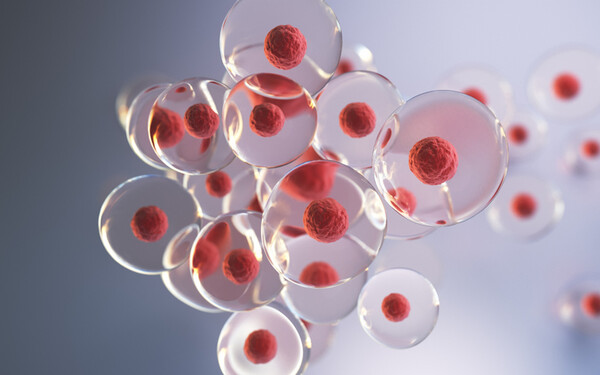
Cells are like tiny power plants. Every day they generate energy, repair damaged areas, and clear away waste. For all of this to function smoothly, one crucial component is needed: a coenzyme called NAD+ (nicotinamide adenine dinucleotide).
It may sound complicated, but you can think of NAD+ as the “switch” that turns cells on, or the “battery” they need to stay charged. When NAD+ levels are sufficient, cells function actively. When levels drop, everything slows down — energy production, DNA repair, inflammation control, and even the activation of “longevity genes” known as sirtuins.
The problem is that this cellular battery rapidly declines with age. NAD+ levels decrease significantly over time, and many people begin to physically feel the effects after their mid-40s: chronic fatigue, reduced concentration, loss of skin elasticity, and slower recovery after cosmetic procedures. These symptoms appearing all at once is no coincidence.
No matter how expensive or advanced a skincare product may be, if the cells themselves lack the energy to process and utilize it, the results will inevitably be limited.
This is also why NAD+ has recently become a major topic in global wellness trends. Among Hollywood celebrities, regular NAD+ IV therapy has increasingly been shared publicly, positioning it less as a cosmetic treatment and more as a form of overall condition management.
One reason IV therapy is emphasized is because orally consumed NAD+ is mostly broken down in the digestive tract before it can reach the cells in meaningful amounts. Delivering it directly into the bloodstream is considered a far more efficient approach.

Even With NAD+, Delivery Matters The “3-Step Therapy” That Maximizes Results
That said, NAD+ IV therapy is not simply a matter of receiving an injection. Depending on the infusion speed, side effects such as flushing or heart palpitations may occur, and oxidative stress can arise during the metabolic process. For this reason, experienced clinics often structure NAD+ therapy into three carefully managed stages.
Step 1 | Preparation — Creating an Environment the Body Can Accept
First, antioxidant-based IV fluids are administered to stabilize fluid and electrolyte balance. This stage prepares the body to absorb NAD+ more effectively.
Step 2 | Customized NAD+ Infusion — The Key Is Speed
Patient satisfaction with NAD+ IV therapy often depends more on infusion speed than dosage itself. The infusion rate is adjusted while carefully monitoring each individual’s response. Even with the same amount, the body reacts differently depending on how it is delivered.
Step 3 | Recovery Care — Managing Oxidative Stress
Finally, recovery-focused IV fluids are used to help reduce oxidative stress that may occur during metabolism and stabilize recovery afterward.
Preparation before absorption, customized infusion, and recovery care — when these three stages are organically connected, the results can become dramatically different even with the same ingredient.
Many people who watched Kim Sa-rang’s video likely thought, “Should I be doing this too?” Exercise and nutrition are the foundation of anti-aging, and practicing them consistently every day is already remarkable in itself.
But after your 40s, there inevitably comes a point when something more is needed beyond the basics. If treatments no longer seem as effective as they once did, or recovery feels slower despite regular exercise, it may not simply be your skin sending signals — it could be your cells.
Perhaps it is time to start listening to what is happening inside them.