SEOLREIM · JOURNAL
Numbing-cream safety for Rejuran and skinboosters: Pain relief and excessive application risks
Full translation of the Korean article. Translation checked for completeness, numerical consistency and medical meaning; separate medical review of this translation is pending. Translation updated: 2026-10-28.
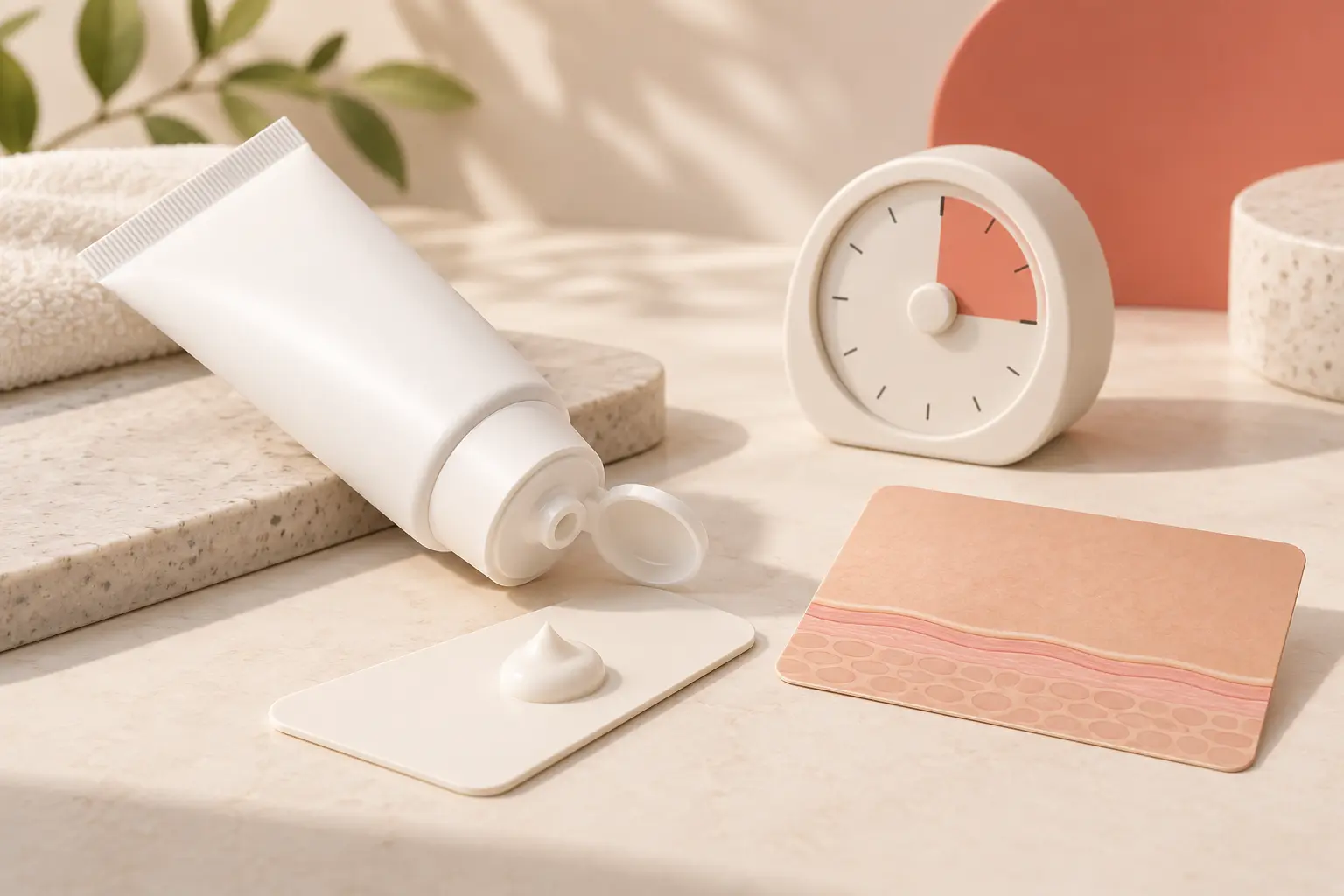
Topical anesthetics before injectable skinboosters such as Rejuran may help reduce pain. However, heavy, extensive, prolonged application or occlusion over damaged skin may increase absorption and systemic toxicity. Rather than preapplying a “strong numbing cream” purchased overseas yourself, have the clinician check actual ingredients, concentration, total amount, application area and duration, and use of other local anesthetics.
Definition, benefits and precautions at a glance
| Category | What to check |
|---|---|
| Role | An adjunct to reduce skin pain before injection, not a pain-free guarantee |
| Conditions increasing risk | High concentration, excessive amount, large area, prolonged use, damaged skin, occlusion |
| Pre-treatment checks | Ingredients, concentration, allergies, heart/liver disease, medications, other anesthetics |
| Emergency signs | Gray/blue lips or skin, shortness of breath, dizziness, altered consciousness, seizures |
| Actions to avoid | Self-application of unverified overseas products and reapplication without instructions |
Definitions and how the treatments work
Local anesthetics such as lidocaine and prilocaine block nerve sodium channels to reduce pain-signal transmission. Effects and absorption depend on formulation, concentration, amount, area, duration, skin condition, and occlusion. Needle size, injection speed, site, and product viscosity also influence injection pain, so numbing cream alone cannot be said to eliminate it.
Potential benefits and limitations
Proper use may reduce surface pain and procedural anxiety but does not eliminate all deep pressure or injection stinging. The FDA has warned about some high-concentration topical anesthetic products marketed before cosmetic procedures, identifying large areas, irritated or damaged skin, prolonged use, and occlusion as risk factors. This concerns specific warning products, not a claim that every authorized local anesthetic is equally dangerous.
Suitable candidates and preliminary assessment
If highly pain-sensitive or previously reactive to anesthetics, report product names and symptoms. The clinician must check methemoglobinemia history, G6PD deficiency, heart/lung/liver disease, seizures, anemia, infancy or older age, pregnancy/breastfeeding, and oxidizing drugs, antiarrhythmics, or other local anesthetics. Do not independently apply to dermatitis, wounds, or infection.
Procedure, recovery and preparation
Before booking, confirm whether self-application is needed, which product, how much, where, and for how many minutes. On the day, report products brought and application time/sites; do not layer leftover cream or occlude it with plastic wrap. The clinician checks skin condition and total local-anesthetic exposure and removes the cream before treatment. Avoid hot compresses or friction on numb skin during recovery.
Adverse effects, contraindications and precautions
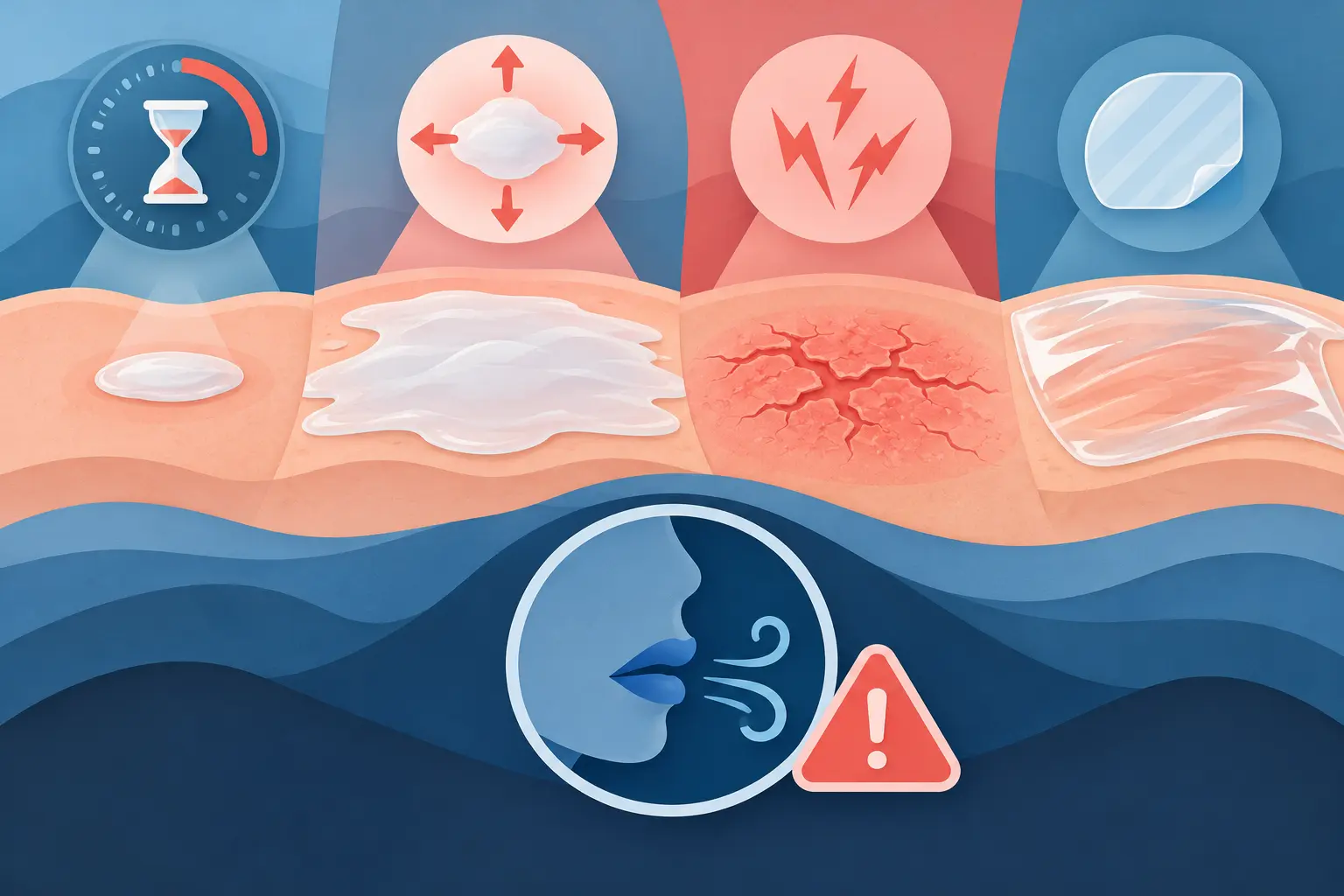
Besides local irritation, pallor, redness, swelling, and contact dermatitis, excessive absorption may cause tingling around the mouth, metallic taste, tinnitus, dizziness, drowsiness, seizures, arrhythmia, and central-nervous/cardiovascular toxicity; some ingredients can cause methemoglobinemia. Gray/blue skin or lips, breathlessness, rapid pulse, severe headache, fatigue, or altered consciousness require immediate emergency assessment.
Comparison of pain-control methods for skinboosters
| Method | Main goal | Key differences and precautions |
|---|---|---|
| Topical numbing cream | Temporarily reduces skin-surface sensation | Check ingredient, concentration, area, duration, occlusion, and systemic absorption |
| Cooling and vibration | Adjunct methods to distract sensory input | Excessive cooling or pressure may damage skin |
| Adjusting injection technique | Adjust needle, cannula, speed, and divided injections | Suitability differs by product and site |
| Injected local anesthesia/sedation | May control deeper pain or anxiety | Separate medication, monitoring, and discharge criteria; check actual availability |
Questions and answers for a medical consultation
The answers below are literature-based consultation questions, not a clinician interview or individual diagnosis; actual medical review remains incomplete.
Q. Can I apply a thick layer of numbing cream at home before coming?
A. No. First check with the treating facility whether self-application is needed and the exact product, amount, area, and duration.
Q. Does longer application mean less pain?
A. Effects do not keep increasing proportionally, while absorption and toxicity risks may rise. Do not exceed the instructed duration.
Q. Are blue lips and shortness of breath normal?
A. No. Methemoglobinemia or another emergency is possible, requiring immediate emergency medical care.
Evidence sources and full text
FDA safety warning on topical anesthetic products (2025-04-17, https://www.fda.gov/news-events/press-announcements/fda-warns-consumers-avoid-certain-topical-pain-relief-products-due-potential-dangerous-health), official lidocaine/prilocaine labeling (https://dailymed.nlm.nih.gov/dailymed/drugInfo.cfm?setid=ab82371f-01a0-4f7d-93d6-383686ca41f8), review of local-anesthetic systemic toxicity (https://pubmed.ncbi.nlm.nih.gov/37990348/), toxicity case following excessive application (https://pubmed.ncbi.nlm.nih.gov/38553427/) were consulted. Evidence checked: 2026-10-09. Products under warning were not generalized to all authorized products.
SEOLREIM’s principle of consultations and procedures performed personally by the director
SEOLREIM Clinic explains its principles of consultations and procedures performed directly by the clinic director, genuine products, exact quantities, and attentive care. Consultations first distinguish skin condition and goals, then check products and devices actually available, approved indications, dosage or energy plans, recovery, and risks. For signature skinboosters such as Rejuran, the director checks actual products, authenticity, exact quantities, injection plans, and also anesthetic ingredients, application coverage, and total exposure. Check anesthesia methods and sedation availability when booking and during examination.
Booking, language, and location information for overseas visitors
Visitors seeking skinboosters or Rejuran in Korea should not preapply numbing cream brought from overseas; send product photos, ingredients, concentration, and previous reactions. Confirm pain-control methods and emergency contacts after treatment before departure. SEOLREIM Clinic is on floor 11 of the Gangnam8258 Building, approximately 1 minute from exit 3 of Gangnam Station. Book through the website’s KakaoTalk consultation, Naver Booking, or telephone channels. Overseas visitors comparing dermatology clinics in Gangnam, Seoul, near Gangnam Station, or elsewhere in Korea should prepare their medications, allergies, recent procedures, and departure schedule. When booking, specify the preferred language, such as Japanese, Chinese, Arabic, Mongolian, or Indonesian, and whether interpretation is needed, and confirm the actual scope and cost of support. Continuous consultations in each language or same-day procedures cannot be guaranteed. Also agree during consultation on how to report adverse reactions after returning home and the follow-up schedule.
Authorship, review and dates
Written by: SEOLREIM content editor / Medical professional review: completed / Review confirmation: 2026-10-23 / Published: 2026-10-09 / Updated: 2026-10-27. General medical information, not a substitute for individual diagnosis or procedure prescriptions.
SEOLREIM · GANGNAM, SEOUL
Discuss Skin Treatments in Seoul with Seolreim Clinic.
SEOLREIM Clinic provides care based on consultations and procedures performed directly by the clinic director and the principles of genuine products, exact quantities, and attentive care.
Tell us your treatment interests, skin concerns, dates in Korea and preferred consultation language. Confirm treatment suitability, recovery plans and language support before booking.