SEOLREIM · JOURNAL
Topical clindamycin for acne: BPO combinations and antibiotic-resistance management
Full translation of the Korean article. Translation checked for completeness, numerical consistency and medical meaning; separate medical review of this translation is pending. Translation updated: 2026-10-28.
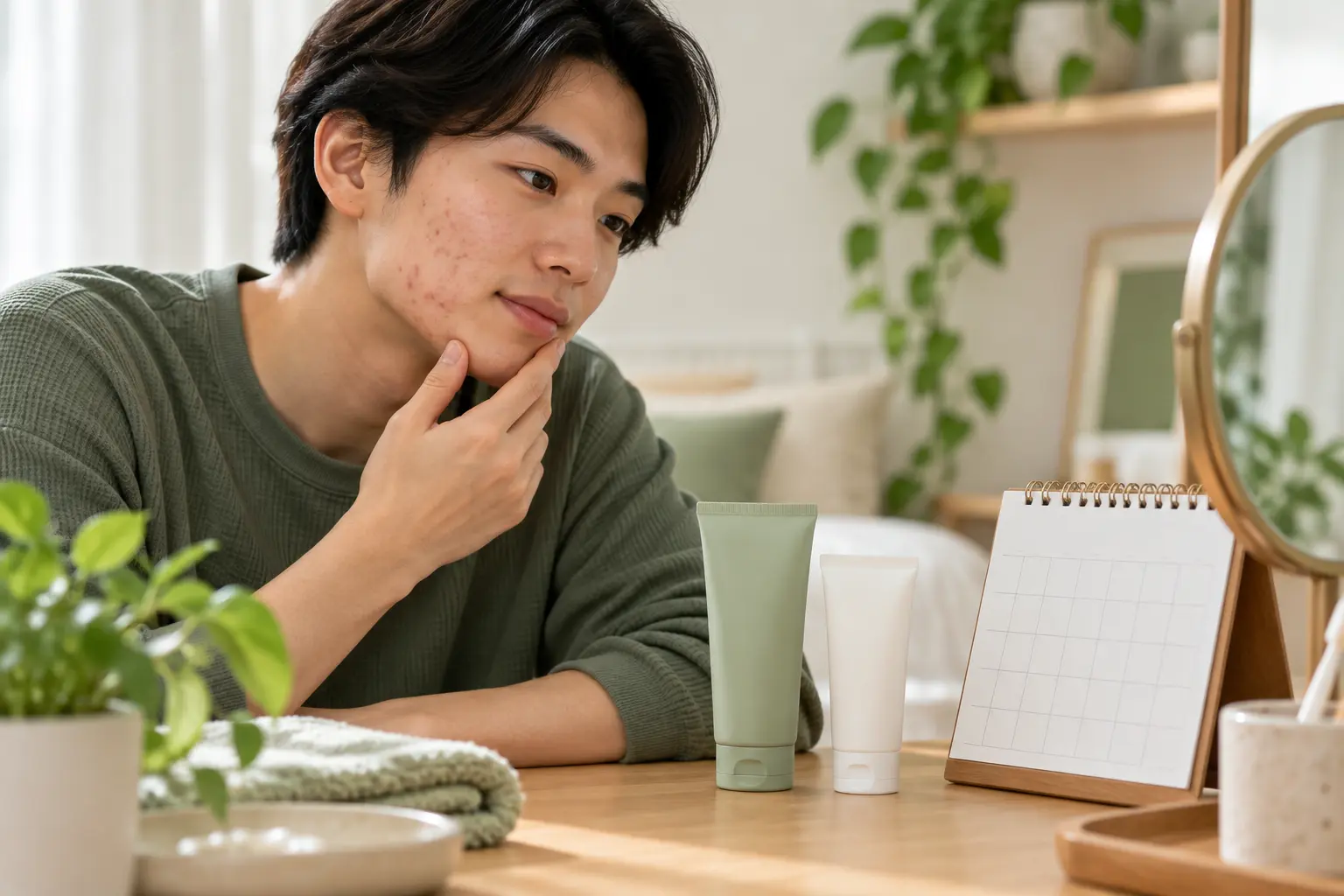
Topical clindamycin may reduce inflammatory acne lesions, but prolonged monotherapy may increase antibiotic resistance in bacteria including Cutibacterium acnes. Combining benzoyl peroxide (BPO) and limiting duration are recommended principles. Rather than repeatedly using antibiotics alone after improvement, plan nonantibiotic maintenance such as retinoids and BPO.
Definition, benefits and precautions at a glance
| Category | What to check |
|---|---|
| Role | Limited antibiotic treatment of inflammatory papules and pustules |
| Resistance management | Avoid prolonged monotherapy; consider BPO combination |
| Maintenance | Manage recurrence with nonantibiotic treatment after improvement |
| Common reactions | Dryness, stinging, redness, and peeling |
| Immediate medical care | Severe persistent diarrhea, bloody stool, abdominal pain, or allergic symptoms |
Definitions and how the treatments work
Clindamycin inhibits bacterial protein synthesis and reduces inflammation. Acne also involves sebum, comedones, and hormonal factors, making antibiotics alone insufficient for comedones and recurrence. BPO reduces acne bacteria by another mechanism and helps lower selection pressure for antibiotic resistance. Combination concentrations, formulations, and directions differ by product.
Potential benefits and limitations
The AAD 2024 guidelines give a good-practice principle of combining BPO with topical antibiotics to reduce resistance. Clindamycin/BPO studies support inflammatory-lesion improvement, but irritation/dryness may occur and not every acne type is adequately treated. With progressing scars or nodular/extensive acne, oral treatment, isotretinoin, or other options may be assessed early.
Suitable candidates and preliminary assessment
People with inflammatory papules/pustules needing medical treatment may consult. Report previous topical/oral antibiotic names and durations, BPO/retinoid irritation, atopic/contact dermatitis, inflammatory bowel disease or antibiotic-associated diarrhea, allergies, and pregnancy/breastfeeding. Antibiotics may not be central when only comedones or mainly scars/nodules are present.
Procedure, recovery and preparation
After gentle cleansing, dry the skin and apply a thin layer in the prescribed amount and area. With clindamycin alone, ask how to combine BPO and whether to separate morning/evening applications. Do not initially add multiple acids, scrubs, and retinoids at once; moisturize and use sun protection. Reassess response at the specified time and plan maintenance after antibiotic withdrawal.

Adverse effects, contraindications and precautions
Dryness, redness, stinging, itching, peeling, and contact dermatitis are possible. Rare antibiotic-associated colitis with severe diarrhea, bloody stool, and abdominal pain has been reported even with topical use; stop and seek care if these occur. BPO can bleach clothing, towels, and hair. Do not share leftovers with family or repeatedly use them independently for months or years.
Clindamycin versus nonantibiotic treatments
| Method | Main goal | Key differences and precautions |
|---|---|---|
| Topical clindamycin | Limited treatment of inflammatory lesions | Avoid prolonged monotherapy; consider BPO combination |
| BPO | Antibacterial/anti-inflammatory effects and support for resistance management | Dryness, irritation, fabric bleaching |
| Topical retinoids | Control of comedone formation and recurrence | Consult about initial irritation and pregnancy plans |
| Azelaic acid | Adjunct for acne and post-inflammatory pigmentation | Stinging and dryness; not an antibiotic |
Questions and answers for a medical consultation
The answers below are literature-based consultation questions, not a clinician interview or individual diagnosis; actual medical review remains incomplete.
Q. Can I keep applying clindamycin alone?
A. Because of resistance, guidelines advise against prolonged antibiotic monotherapy and recommend BPO combinations and nonantibiotic maintenance.
Q. Must it be applied at exactly the same time as BPO?
A. Combined products or separate use depend on the product and skin irritation; follow prescription instructions.
Q. Can a topical drug cause intestinal inflammation?
A. Very rarely, yes. Stop and seek care for severe persistent diarrhea, bloody stool, or abdominal pain.
Evidence sources and full text
AAD 2024 acne guidelines (https://pubmed.ncbi.nlm.nih.gov/38300170/), AAD guideline summary (https://www.aad.org/news/updated-guidelines-acne-management), review of topical clindamycin (https://pubmed.ncbi.nlm.nih.gov/38834223/), review of antibiotic stewardship in acne (https://pubmed.ncbi.nlm.nih.gov/38306149/) were consulted. Evidence checked: 2026-10-07.
SEOLREIM’s principle of consultations and procedures performed personally by the director
SEOLREIM Clinic explains its principles of consultations and procedures performed directly by the clinic director, genuine products, exact quantities, and attentive care. Consultations first distinguish skin condition and goals, then check products and devices actually available, approved indications, dosage or energy plans, recovery, and risks. Signature acne/Silky Pore programs distinguish comedones, inflammation, scars, and sensitive skin and coordinate medication, extraction, peeling, and lasers. Check actual clindamycin/BPO prescribing and availability during examination.
Booking, language, and location information for overseas visitors
Visitors seeking acne or pore treatment in Korea should report current antibiotics and duration, diarrhea history, allergies, and pregnancy possibility, and obtain maintenance plans for after returning home. SEOLREIM Clinic is on floor 11 of the Gangnam8258 Building, approximately 1 minute from exit 3 of Gangnam Station. Book through the website’s KakaoTalk consultation, Naver Booking, or telephone channels. Overseas visitors comparing dermatology clinics in Gangnam, Seoul, near Gangnam Station, or elsewhere in Korea should prepare their medications, allergies, recent procedures, and departure schedule. When booking, specify the preferred language, such as Japanese, Chinese, Arabic, Mongolian, or Indonesian, and whether interpretation is needed, and confirm the actual scope and cost of support. Continuous consultations in each language or same-day procedures cannot be guaranteed. Also agree during consultation on how to report adverse reactions after returning home and the follow-up schedule.
Authorship, review and dates
Written by: SEOLREIM content editor / Medical professional review: completed / Review confirmation: 2026-10-23 / Published: 2026-10-07 / Updated: 2026-10-27. General medical information, not a substitute for individual diagnosis or procedure prescriptions.
SEOLREIM · GANGNAM, SEOUL
Discuss Skin Treatments in Seoul with Seolreim Clinic.
SEOLREIM Clinic provides care based on consultations and procedures performed directly by the clinic director and the principles of genuine products, exact quantities, and attentive care.
Tell us your treatment interests, skin concerns, dates in Korea and preferred consultation language. Confirm treatment suitability, recovery plans and language support before booking.