SEOLREIM · JOURNAL
Tranexamic acid injections and mesotherapy for melasma: Differences from oral and topical treatment
Full translation of the Korean article. Translation checked for completeness, numerical consistency and medical meaning; separate medical review of this translation is pending. Translation updated: 2026-10-28.

Intradermal tranexamic acid/mesotherapy has improved pigmentation indicators in some trials and meta-analyses, but concentrations, depths, and intervals vary, and evidence for long-term superiority or recurrence prevention is limited. Potentially lower systemic exposure than oral dosing does not justify skipping thrombosis history or calling it a “side-effect-free whitening injection.” Diagnosis and UV/visible-light protection remain fundamental.
Definition, benefits and precautions at a glance
| Category | What to check |
|---|---|
| Definition | Repeated small intradermal doses of tranexamic acid into melasma areas |
| Evidence | Possible short-term pigment-indicator improvement; substantial study/protocol heterogeneity |
| Foundation treatment | Photoprotection and topical treatment often come first |
| Injection risks | Possible pain, bruising, inflammation, infection, pigment changes, or scars |
| History-taking | Check thrombosis, coagulation disorders, hormonal drugs, pregnancy, kidney disease, and actual authorization |
Definitions and how the treatments work
Tranexamic acid inhibits the plasmin pathway and may influence inflammatory, vascular, and melanogenesis signals. Oral, topical, intradermal, and microneedle delivery do not share identical absorption or adverse effects. Intradermal injection delivers drug into skin, but Korean-authorized routes, concentrations, and methods differ across studies, so findings cannot be generalized to a specific mesotherapy package.
Potential benefits and limitations
A 2024 intradermal tranexamic-acid meta-analysis and comparative studies suggest reduced melasma area/severity scores, but samples are small and comparators, intervals, and follow-up varied. Even if oral therapy has larger effects in some analyses, systemic risks and contraindications preclude choosing solely by superiority. Melasma often recurs; lasers/injections alone cannot guarantee cure or permanent whitening.
Suitable candidates and preliminary assessment
Adults with confirmed melasma who have reviewed response and tolerance to photoprotection/topicals may consult. Report thrombosis, stroke, myocardial infarction, coagulation abnormalities, kidney disease, retinal/vision problems, smoking, long flights, hormonal contraceptives/therapy, pregnancy/breastfeeding, and family history. Active infection, dermatitis, or keloid tendency also require assessment of injection risks.
Procedure, recovery and preparation
Wood’s lamp and skin examination distinguish melasma from acquired bilateral nevus of Ota, post-inflammatory pigmentation, contact dermatitis, and other conditions; check UV/visible-light exposure and drugs. Obtain explanations of actual product, authorization, concentration, total amount, sterilization, and sessions. Avoid rubbing, strong heat, and irritating cosmetics afterward, continue photoprotection, and do not compress multiple lasers/peels into a short trip.
Adverse effects, contraindications and precautions
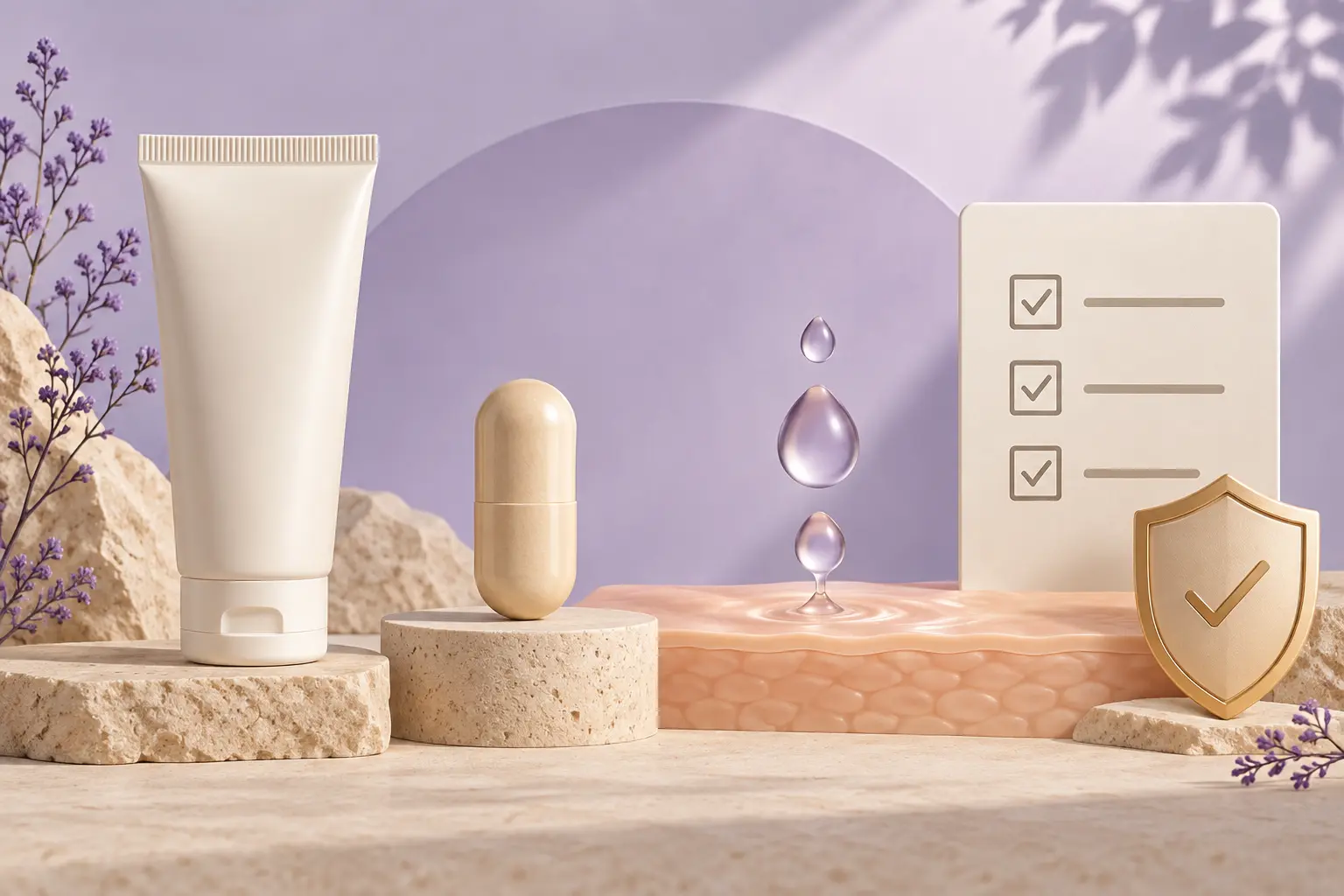
Intradermal injections may cause pain, swelling, bruising, redness, post-inflammatory pigmentation, infection, nodules, or scars. It is difficult to establish how much lower systemic thrombosis risk is than with oral use; local administration cannot guarantee 0 risk. Sudden one-sided leg swelling/pain, chest pain/breathlessness, visual changes, or neurologic symptoms require immediate emergency care. Avoid self-injection and unlabeled mixtures.
Comparison of tranexamic-acid administration routes
| Method | Main goal | Key differences and precautions |
|---|---|---|
| Topical application | Formulations applied to skin | Irritation and formulation differences; relatively low systemic exposure |
| Intradermal injections/mesotherapy | Repeated direct injections into melasma areas | Protocol heterogeneity and pain, infection, and pigmentation risks |
| Oral administration | Improvement in some studies with systemic oral use | Thrombosis, kidney, and drug-contraindication history is especially important |
| Laser/light treatment | Selected wavelengths target pigment, vessels, and other structures | Consider recurrence, rebound pigmentation, and skin-type-specific settings |
Questions and answers for a medical consultation
The answers below are literature-based consultation questions, not a clinician interview or individual diagnosis; actual medical review remains incomplete.
Q. Are injections always safer than oral medication?
A. Systemic exposure may differ, but safety is not automatically guaranteed. Check thrombosis, drugs, pregnancy, and authorization.
Q. How many injections remove melasma?
A. Protocols vary and recurrence is common, so neither session counts nor cure can be guaranteed.
Q. Can it be done on the same day as laser?
A. Irritation and post-inflammatory pigmentation risks may overlap; plan sequencing according to skin type, site, and recovery.
Evidence sources and full text
Meta-analysis comparing tranexamic-acid routes for melasma (https://pubmed.ncbi.nlm.nih.gov/38059683/), meta-analysis of intradermal tranexamic-acid mesotherapy (2024) (https://pubmed.ncbi.nlm.nih.gov/38693699/), review of tranexamic acid for melasma (https://pmc.ncbi.nlm.nih.gov/articles/PMC10810386/) were consulted. Evidence checked: 2026-10-07. Korean authorization and product status require separate checks before actual treatment.
SEOLREIM’s principle of consultations and procedures performed personally by the director
SEOLREIM Clinic explains its principles of consultations and procedures performed directly by the clinic director, genuine products, exact quantities, and attentive care. Consultations first distinguish skin condition and goals, then check products and devices actually available, approved indications, dosage or energy plans, recovery, and risks. Signature whitening/brightening distinguishes melasma, spots, post-inflammatory pigmentation, and skin types; the director plans photoprotection, drugs, and laser sequencing. Check actual tranexamic-acid injection availability, authorization, and concentration when booking and during examination.
Booking, language, and location information for overseas visitors
Visitors seeking pigmentation or laser treatment in Korea should report thrombosis, hormonal drugs, long flights, and UV-exposure plans in advance, and confirm preferred-language interpretation and photoprotection after returning home. SEOLREIM Clinic is on floor 11 of the Gangnam8258 Building, approximately 1 minute from exit 3 of Gangnam Station. Book through the website’s KakaoTalk consultation, Naver Booking, or telephone channels. Overseas visitors comparing dermatology clinics in Gangnam, Seoul, near Gangnam Station, or elsewhere in Korea should prepare their medications, allergies, recent procedures, and departure schedule. When booking, specify the preferred language, such as Japanese, Chinese, Arabic, Mongolian, or Indonesian, and whether interpretation is needed, and confirm the actual scope and cost of support. Continuous consultations in each language or same-day procedures cannot be guaranteed. Also agree during consultation on how to report adverse reactions after returning home and the follow-up schedule.
Authorship, review and dates
Written by: SEOLREIM content editor / Medical professional review: completed / Review confirmation: 2026-10-23 / Published: 2026-10-07 / Updated: 2026-10-27. General medical information, not a substitute for individual diagnosis or procedure prescriptions.
SEOLREIM · GANGNAM, SEOUL
Discuss Skin Treatments in Seoul with Seolreim Clinic.
SEOLREIM Clinic provides care based on consultations and procedures performed directly by the clinic director and the principles of genuine products, exact quantities, and attentive care.
Tell us your treatment interests, skin concerns, dates in Korea and preferred consultation language. Confirm treatment suitability, recovery plans and language support before booking.