SEOLREIM · JOURNAL
Tretinoin for photoaging: differences from retinol, initial irritation and pregnancy precautions
Full translation of the Korean article. Translation checked for completeness, numerical consistency and medical meaning; separate medical review of this translation is pending. Translation updated: 2026-10-28.
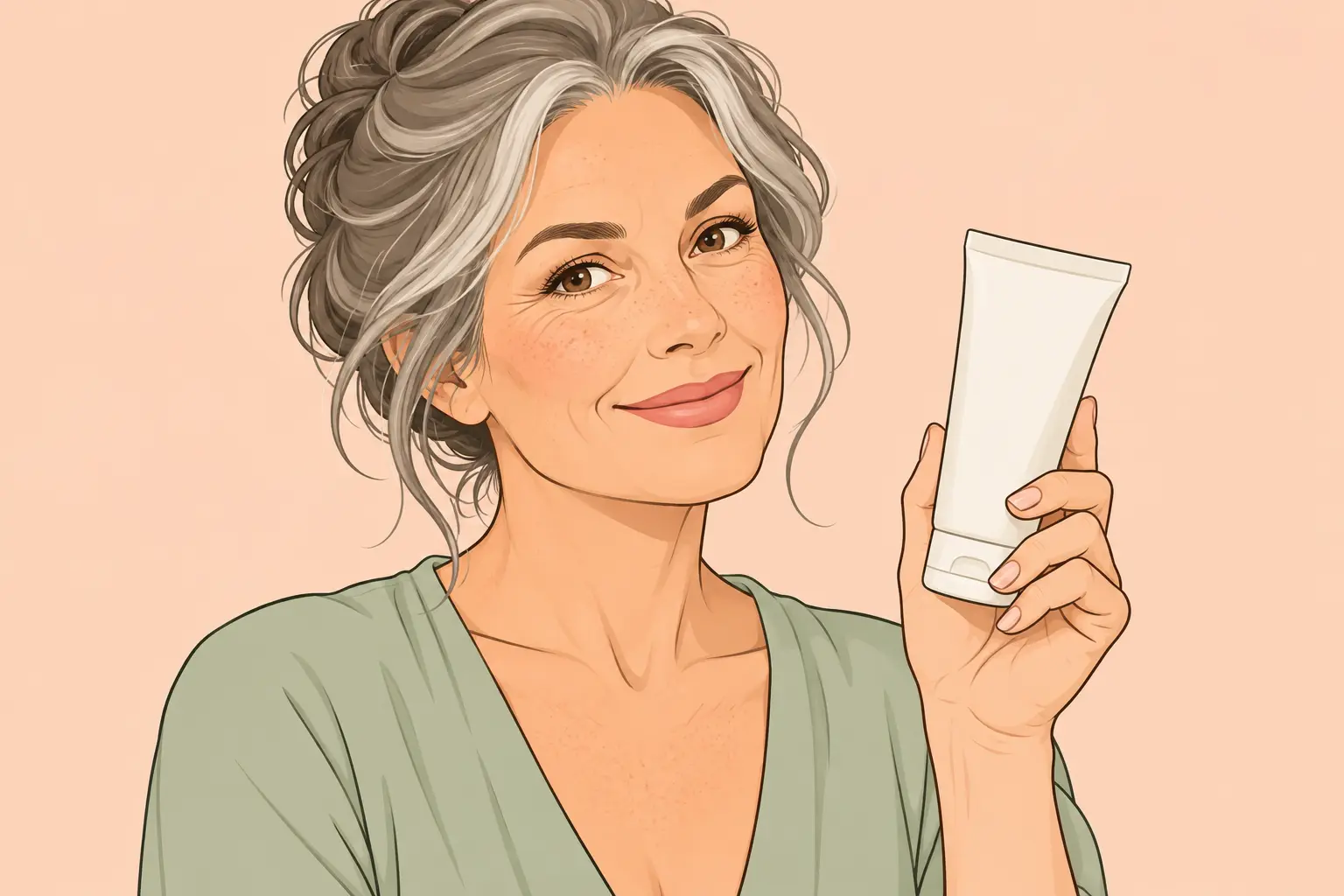
Tretinoin is a topical retinoid with evidence for improving fine wrinkles and uneven pigmentation from photoaging, but requires consistent care over weeks to months and does not immediately correct deep wrinkles or sagging. It is not interchangeable with cosmetic retinol; initial dryness, redness, stinging and scaling need management. EMA advises against use during pregnancy or when planning pregnancy.
Definition, benefits and precautions at a glance
| Category | What to check |
|---|---|
| Definition | Topical tretinoin, the active retinoic acid |
| Expectations | Changes in fine wrinkles and some photodamage pigmentation measures |
| Duration | Assessment over weeks to months; permanent reversal of aging is not guaranteed |
| Common reactions | Dryness, erythema, stinging and scaling |
| Check contraindications | Avoid during pregnancy or pregnancy planning; check each product’s instructions |
Definitions and how the treatments work
Tretinoin is an active vitamin A derivative that affects epidermal differentiation and skin-matrix processes through retinoid receptors. Retinol requires conversion to an active form in the skin; formulation, stability and content also differ, so labelled numbers cannot directly compare efficacy. Administration route and risk management also differ from oral isotretinoin.
Potential benefits and limitations
A 2022 systematic review of randomized trials summarised improvements in photoaging measures, including fine wrinkles and uneven pigmentation, but concentrations, formulations, durations and comparators differed. Tolerability enabling continued use is important, and it does not replace sunscreen. Deep expression lines, substantial excess skin and volume loss require other approaches; it cannot be declared superior to retinol for everyone.
Suitable candidates and preliminary assessment
Adults concerned about photodamage and fine wrinkles should discuss approved indications and prescription requirements for the actual Korean product. Report pregnancy, pregnancy planning, breastfeeding, eczema, rosacea, barrier damage, recent peels, lasers or waxing, and current acne medicines, acids and scrubs. If used during pregnancy, discuss exposure with an obstetrician rather than judging fetal risk yourself.
Procedure, recovery and preparation
After gentle cleansing, follow the actual prescribed amount and frequency on dry skin. Avoid sensitive eyelids, lips, nasal creases and wounds; moisturise, and discuss reduced frequency or stopping if irritation is substantial. Night use and daytime photoprotection are basic principles, but do not start with a high concentration or add several irritating ingredients simultaneously. Whether and how long to pause around lasers or peels depends on skin condition.

Adverse effects, contraindications and precautions
Dryness, erythema, stinging and scaling are common; severe irritation can worsen pigmentation or dermatitis. Stop and obtain care for blisters, oozing, marked swelling or pain. More peeling does not mean better results. Avoid during pregnancy and pregnancy planning; while breastfeeding, discuss use on areas contacting the infant. UV, wind and cold can increase irritation, so light protection and moisturising are needed even in autumn.
Different goals of tretinoin, retinol and procedures
| Method | Main goal | Key differences and precautions |
|---|---|---|
| Tretinoin | Active topical retinoid | Confirm prescription and approval; initial irritation and pregnancy precautions |
| Retinol cosmetics | Vitamin A ingredient converted in the skin | Formulation, stability and evidence vary by product |
| Botulinum toxin | Reduced expression-muscle contraction | Different goal from photodamage management |
| Lasers, RF and others | Device-specific targets: pigmentation, texture and firmness | Assess downtime, burns and pigmentation risks separately |
Questions and answers for a medical consultation
The answers below are literature-based consultation questions, not a clinician interview or individual diagnosis; actual medical review remains incomplete.
Q. Can retinol 1% and tretinoin 0.025% be compared?
A. They are different ingredients and formulations; numbers alone cannot convert strength or effects.
Q. Must skin peel heavily for wrinkles to improve?
A. No. Reducing excessive irritation to allow consistent use is important.
Q. Can I start just before travelling?
A. Initial irritation, sunlight exposure, language and follow-up need consideration; do not independently start a high concentration just before departure.
Evidence sources and full text
Systematic review of randomized topical tretinoin trials for photoaging (2022) (https://pubmed.ncbi.nlm.nih.gov/35620028/), original article (https://pmc.ncbi.nlm.nih.gov/articles/PMC9112391/), EMA advice on topical retinoids during pregnancy and pregnancy planning (https://www.ema.europa.eu/en/medicines/human/referrals/retinoid-containing-medicinal-products) were consulted. Evidence checked on 2026-10-05. Photoaging research does not establish approved indications for all Korean products.
SEOLREIM’s principle of consultations and procedures performed personally by the director
SEOLREIM Clinic describes its principles of consultations and procedures performed personally by the clinic director, genuine products, appropriate quantities and attentive care. Consultation starts by distinguishing skin condition and goals, then checking the products and equipment actually available, approved uses, the dose or energy plan, recovery and risks. Signature anti-aging consultations distinguish photodamage, expression wrinkles and laxity, coordinating home care and procedures. Confirm tretinoin prescribing, product availability and Korean approval before booking.
Booking, language, and location information for overseas visitors
Visitors seeking anti-aging treatment in Korea or cosmetic dermatology in Seoul should discuss prescription continuity after returning home, sunlight exposure, pregnancy plans and use around laser procedures. SEOLREIM Clinic is approximately 1 minute from Exit 3 of Gangnam Station, on the 11th floor of the Gangnam 8258 Building. You can book through the website’s KakaoTalk consultation, Naver booking or telephone channels. Overseas visitors comparing dermatology clinics in Gangnam, Seoul, the Gangnam Station area or Korea should prepare details of medications, allergies, recent procedures and departure dates. When booking, state your preferred language, such as Japanese, Chinese, Arabic, Mongolian or Indonesian, and whether you need an interpreter, to confirm the actual scope and cost of support. Continuous consultation availability in each language and same-day procedures cannot be confirmed. Also agree on contact arrangements for adverse reactions after returning home and the follow-up schedule during consultation.
Authorship, review and dates
Author: SEOLREIM content editor / Medical-professional review: completed / Review confirmed: 2026-10-23 / Published: 2026-10-05 / Updated: 2026-10-27. This is general medical information and does not replace individual diagnosis or a procedural prescription.
SEOLREIM · GANGNAM, SEOUL
Discuss Skin Treatments in Seoul with Seolreim Clinic.
SEOLREIM Clinic provides consultations and procedures personally performed by the clinic director, following its principles of genuine products, appropriate quantities and attentive care.
Tell us your treatment interests, skin concerns, dates in Korea and preferred consultation language. Confirm treatment suitability, recovery plans and language support before booking.