SEOLREIM · JOURNAL
Loose skin after major weight loss: RF tightening versus surgical skin excision
Full translation of the Korean article. Translation checked for completeness, numerical consistency and medical meaning; separate medical review of this translation is pending. Translation updated: 2026-10-28.
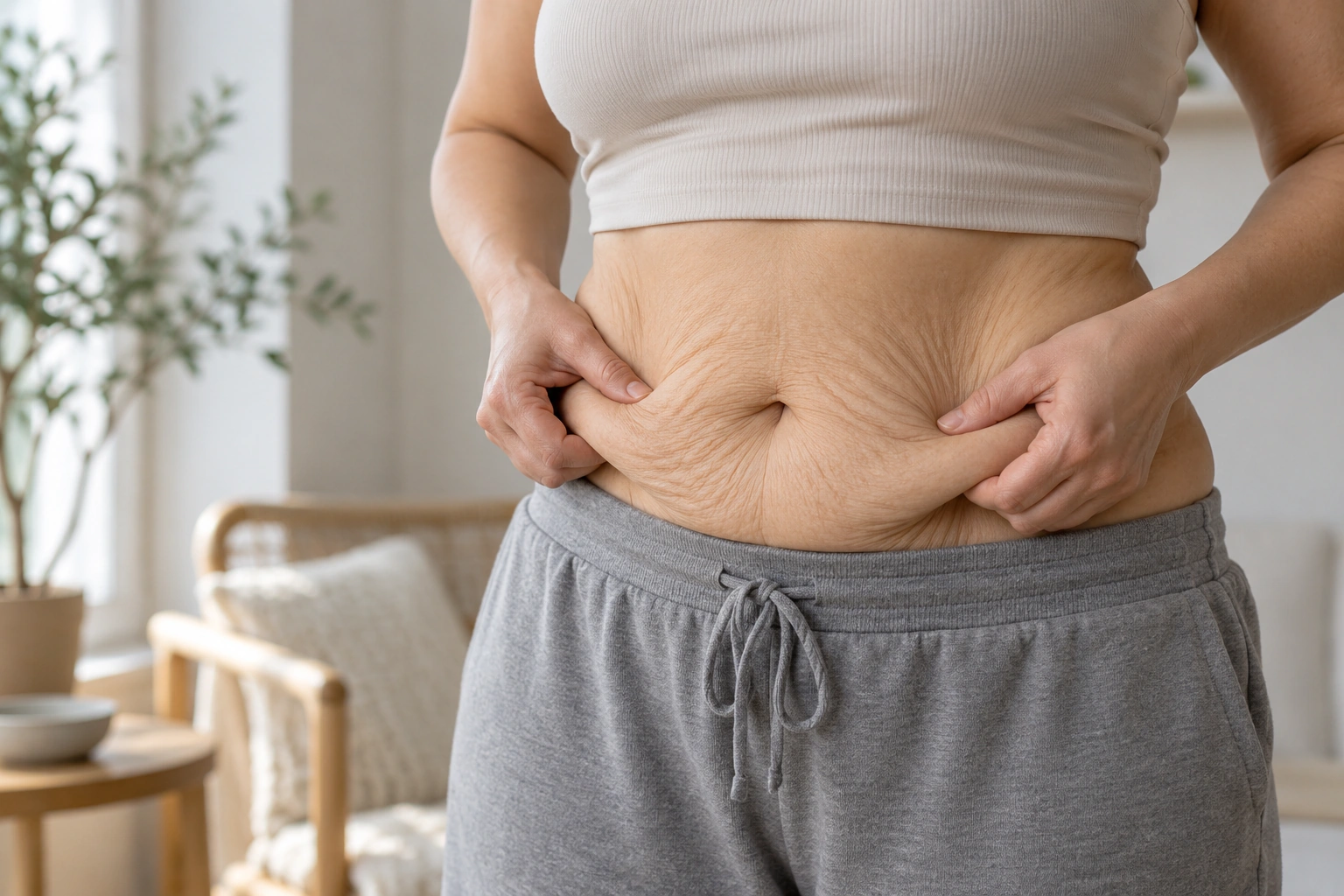
Excess skin after major weight loss is a problem of stretched skin and supporting tissue rather than fat, and cannot be fully removed by nonsurgical tightening such as RF or ultrasound. Mild laxity may show limited firmness changes, but extensive folds with chafing, rashes or hygiene problems may be addressed more directly by surgical body contouring that removes skin and fat. Scars, anaesthesia, thrombosis risk and prolonged recovery must be considered.
Definition, benefits and precautions at a glance
| Category | What to check |
|---|---|
| Distinguish first | Residual fat, excess skin, rectus diastasis, hernia and swelling |
| Nonsurgical | Limited improvement in mild laxity; cannot remove skin |
| Surgery | Excision of excess skin and fat and tissue repositioning; long scars and recovery |
| Timing | After stable weight and assessment of nutrition, smoking and medical conditions |
| Medical tourism | Flight, thrombosis, drain, wound and follow-up planning are central |
Definitions and how the treatments work
After major weight loss, skin collagen, elastic fibres and support tissues may not fully contract to their original shape. RF and ultrasound target collagen remodelling through heat or acoustic energy, but do not physically remove loose skin. Abdominoplasty, body lift, arm lift and thigh lift excise skin and fat and close with sutures, addressing skin excess not resolved by liposuction alone.
Potential benefits and limitations
Nonsurgical treatment may avoid incisions and major scars and permit faster return to daily life, but changes are small and repeated sessions may be needed. RF laxity studies use heterogeneous devices and settings with low evidence levels, making replacement of post-weight-loss skin excision difficult to justify. Surgery can directly improve clothing fit, chafing, hygiene and contours, but cannot remove all cellulite, scars or asymmetry.
Suitable candidates and preliminary assessment
Adults whose weight has been stable for a period, with adequate nutrition and understanding of goals and scars, may be assessed. Report smoking or nicotine, anaemia, protein deficiency, diabetes, cardiopulmonary disease, sleep apnoea, thrombosis history, contraceptives, previous abdominal surgery or hernia and medications. Timing may change with ongoing weight loss or near-term pregnancy plans. Actual surgical suitability requires specialist surgical assessment.
Procedure, recovery and preparation
For nonsurgical treatment, confirm the actual device, approved sites, tip, energy, session count and burn or sensory risks. Surgery requires planning scar positions, anaesthesia and operating time, drains, compression garments, wound care and recovery lasting weeks to months. Overseas visitors must confirm restrictions on long-haul flights, thrombosis prevention, suture and drain removal, emergency reoperation and a medical provider after returning home before departure.
Adverse effects, contraindications and precautions
Nonsurgical devices can also cause pain, swelling, bruising, burns, pigment changes, sensory changes and rare nerve injury. Skin-excision surgery carries bleeding, infection, seroma, wound separation, skin necrosis, sensory changes, wide scars, asymmetry, anaesthetic complications, deep-vein thrombosis and pulmonary embolism risks. Chest pain, breathlessness, unilateral leg swelling, high fever or rapidly spreading redness need emergency assessment.
Differences between nonsurgical tightening, liposuction and skin-excision surgery
| Method | Main goal | Key differences and precautions |
|---|---|---|
| RF and ultrasound tightening | Collagen remodelling and limited firmness changes | Cannot remove substantial excess skin; burn and sensory risks |
| Liposuction | Subcutaneous fat removal with a cannula | Sagging may remain or become more prominent with substantial excess skin |
| Abdominoplasty and body lift | Excision of excess abdominal and trunk skin and fat | Long scars, anaesthesia, thrombosis and wound recovery |
| Arm and thigh lifts | Excision of skin and fat in the relevant area | Scar location and lymphatic, sensory and wound risks |
Questions and answers for a medical consultation
The answers below are literature-based consultation questions, not a clinician interview or individual diagnosis; actual medical review remains incomplete.
Q. Can RF remove loose skin?
A. Mild laxity may change, but results equivalent to surgery removing folded excess skin cannot be guaranteed.
Q. Will more liposuction make skin adhere?
A. If fat is not the main cause, excess skin may become more obvious; skin, fat and muscle need separate assessment.
Q. When can I fly after surgery?
A. This depends on surgical extent, thrombosis risk, wounds and drains; the operating surgeon’s clearance and a long-distance travel plan are needed.
Evidence sources and full text
American Society of Plastic Surgeons guidance on body contouring after major weight loss (https://www.plasticsurgery.org/news/articles/body-contouring-procedures-following-weight-loss) and surgical-risk information (https://www.plasticsurgery.org/cosmetic-procedures/body-contouring/safety), review of RF skin-laxity literature (https://pubmed.ncbi.nlm.nih.gov/26560216/), overview of body contouring after major weight loss (https://pubmed.ncbi.nlm.nih.gov/36479652/) were consulted. Evidence checked on 2026-10-03.
SEOLREIM’s principle of consultations and procedures performed personally by the director
SEOLREIM Clinic describes its principles of consultations and procedures performed personally by the clinic director, genuine products, appropriate quantities and attentive care. Consultation starts by distinguishing skin condition and goals, then checking the products and equipment actually available, approved uses, the dose or energy plan, recovery and risks. Signature body programs on the website, including Onda and InMode, distinguish actual skin laxity from fat within nonsurgical care. This article does not confirm that skin-excision surgery is offered; check before booking and seek an appropriate surgical facility and specialist assessment if needed.
Booking, language, and location information for overseas visitors
Visitors seeking body contouring or medical tourism in Korea should prioritise the actual surgical facility, anaesthesia, thrombosis prevention, wounds, drains, flight clearance and access to emergency care after returning home over price. SEOLREIM Clinic is approximately 1 minute from Exit 3 of Gangnam Station, on the 11th floor of the Gangnam 8258 Building. You can book through the website’s KakaoTalk consultation, Naver booking or telephone channels. Overseas visitors comparing dermatology clinics in Gangnam, Seoul, the Gangnam Station area or Korea should prepare details of medications, allergies, recent procedures and departure dates. When booking, state your preferred language, such as Japanese, Chinese, Arabic, Mongolian or Indonesian, and whether you need an interpreter, to confirm the actual scope and cost of support. Continuous consultation availability in each language and same-day procedures cannot be confirmed. Also agree on contact arrangements for adverse reactions after returning home and the follow-up schedule during consultation.
Authorship, review and dates
Author: SEOLREIM content editor / Medical-professional review: completed / Review confirmed: 2026-10-23 / Published: 2026-10-03 / Updated: 2026-10-27. This is general medical information and does not replace individual diagnosis or a procedural prescription.
SEOLREIM · GANGNAM, SEOUL
Discuss Skin Treatments in Seoul with Seolreim Clinic.
SEOLREIM Clinic provides consultations and procedures personally performed by the clinic director, following its principles of genuine products, appropriate quantities and attentive care.
Tell us your treatment interests, skin concerns, dates in Korea and preferred consultation language. Confirm treatment suitability, recovery plans and language support before booking.