
SEOLREIM · JOURNAL
Adapalene for acne: comedone effects, reducing irritation and precautions before pregnancy
Full translation of the Korean article. Translation checked for completeness, numerical consistency and medical meaning; separate medical review of this translation is pending. Translation updated: 2026-10-28.
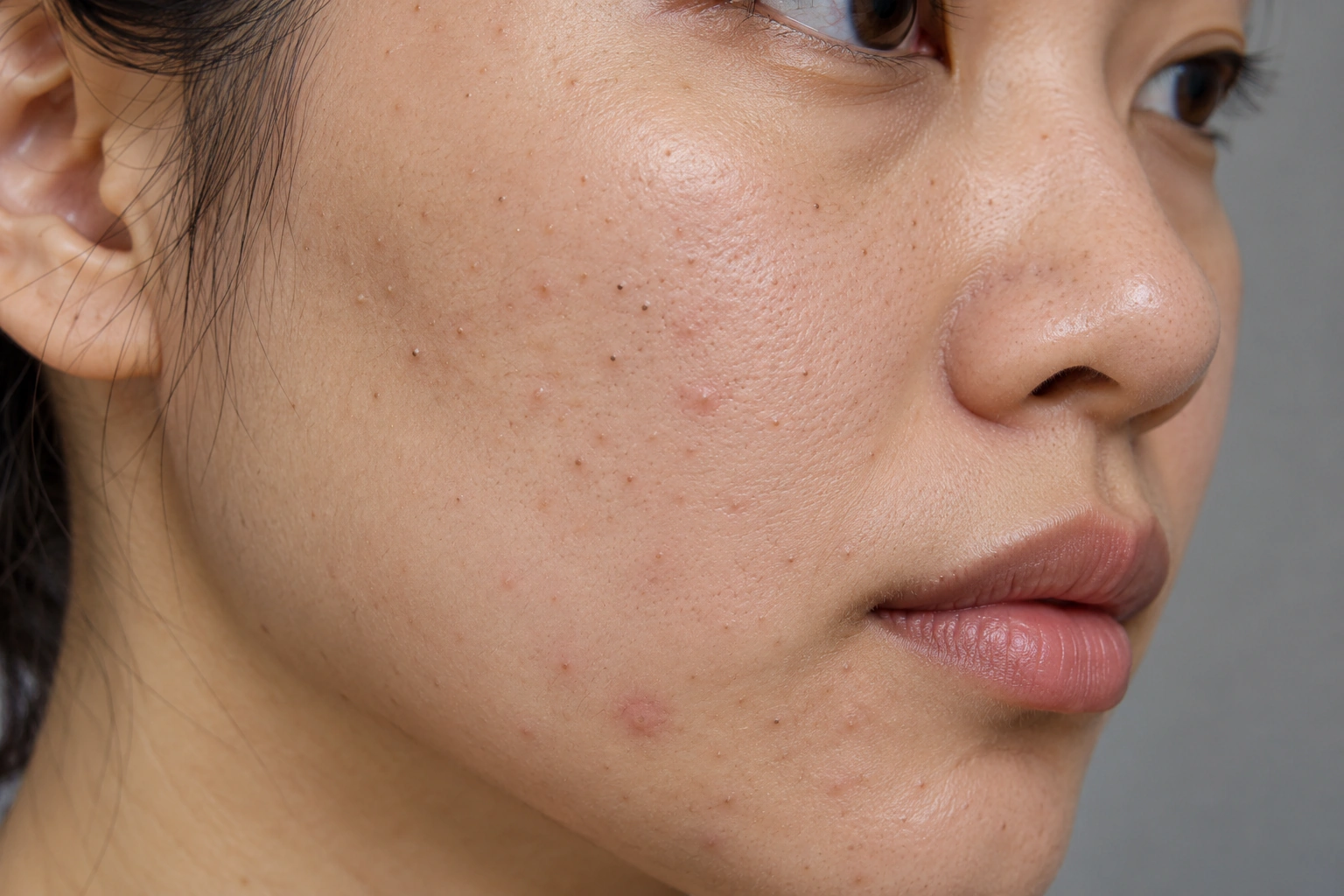
Adapalene is a topical retinoid that normalises pore keratinisation and reduces inflammation, making it a core treatment for comedonal and inflammatory acne. Rather than a spot product drying sebum within days, it is used consistently across acne-prone areas. Initial dryness, stinging and erythema can occur, so moisturising, frequency adjustments and pregnancy-planning consultation are important.
Definition, benefits and precautions at a glance
| Category | What to check |
|---|---|
| Definition | Topical synthetic retinoid |
| Goal | Prevention and improvement of blackheads, whiteheads and inflammatory lesions |
| Timing | Usually assessed after consistent use for weeks or longer |
| Common reactions | Dryness, stinging, redness, and peeling |
| Cautions | Pregnancy and planning, irritating products, sun protection and moisturising |
Definitions and how the treatments work
Adapalene acts on retinoid receptors to reduce abnormal keratinisation at follicular openings and provide anti-inflammatory effects. Treatment typically uses a thin layer over recurrent acne areas rather than just one existing pimple. Strengths, combinations and national prescription status differ; prescribed and product instructions take precedence over online tips.
Potential benefits and limitations
The AAD 2024 acne guideline recommends topical retinoids including adapalene. It helps reduce comedones and inflammatory lesions but does not immediately eliminate deep nodules, cysts, scars or pigmentation. Benzoyl peroxide, antibiotics, hormonal therapy or oral isotretinoin may be combined according to severity and risks, avoiding prolonged antibiotic monotherapy.
Suitable candidates and preliminary assessment
Adolescents and adults with comedones or mild-to-moderate inflammatory acne may consult. Discuss use beforehand if pregnant or planning pregnancy; during breastfeeding check application sites and contact. Report severe eczema, barrier damage, sunburn, recent waxing, peels or lasers and other retinoids or irritating cosmetics.
Procedure, recovery and preparation
After gentle cleansing, dry skin and thinly apply the prescribed amount to acne-prone areas. Initially, lower frequency such as alternate days and moisturiser may help, but exact order and frequency depend on product and skin. Avoid eyes, lips, nasal creases and wounds; use sunscreen during the day. Even if acne appears temporarily worse, if there is no severe pain, swelling or blistering, discuss prescription adjustment rather than independently increasing use.
Adverse effects, contraindications and precautions
Dryness, stinging, erythema, scaling and burning are common; severe contact dermatitis or swelling may require stopping and assessment. AAD explains irritation is not always allergy, but generalized hives or breathing symptoms require emergency response. Excessive combinations with scrubs, concentrated acids, alcoholic toners or waxing increase irritation. Maintain light protection and sunscreen to reduce photosensitivity risk.
Differences between adapalene, benzoyl peroxide, antibiotics and isotretinoin
| Method | Main goal | Key differences and precautions |
|---|---|---|
| Adapalene | Normalisation of comedone formation and anti-inflammatory action | Consult about initial irritation and pregnancy plans |
| Benzoyl peroxide | Reduction of acne bacteria and inflammation | Dryness and bleaching; used for antibiotic-resistance management |
| Topical antibiotics | Limited combination use for inflammatory lesions | Avoid prolonged monotherapy and consider resistance |
| Oral isotretinoin | Severe acne or acne at risk of scarring | Pregnancy prevention, testing and systemic side-effect management |
Questions and answers for a medical consultation
The answers below are literature-based consultation questions, not a clinician interview or individual diagnosis; actual medical review remains incomplete.
Q. Does skin need to peel for it to work?
A. No. Severe irritation worsens the barrier; adjust to a tolerable frequency with moisturising.
Q. Is applying to one pimple enough?
A. Adapalene is often used thinly over the whole recurrent area to prevent new comedones, but follow the prescription.
Q. Can I continue when preparing for pregnancy?
A. For pregnancy or planning, discuss stopping or replacing topical retinoids with a clinician.
Evidence sources and full text
American Academy of Dermatology, 2024 updated acne guideline information (https://www.aad.org/news/updated-guidelines-acne-management) and Acne clinical guideline (https://www.aad.org/member/clinical-quality/guidelines/acne), patient information acne diagnosis and treatment (https://www.aad.org/public/diseases/acne/derm-treat/treat) were consulted. Evidence checked on 2026-10-02. Individual concentration or frequency prescriptions and pregnancy safety were not generalised.
SEOLREIM’s principle of consultations and procedures performed personally by the director
SEOLREIM Clinic describes its principles of consultations and procedures performed personally by the clinic director, genuine products, appropriate quantities and attentive care. Consultation starts by distinguishing skin condition and goals, then checking the products and equipment actually available, approved uses, the dose or energy plan, recovery and risks. Signature acne and pore consultations distinguish active acne, scars, redness and barrier damage, coordinating medication, laser and peeling sequence. Confirm adapalene prescribing or product availability and combined procedures at examination.
Booking, language, and location information for overseas visitors
Visitors seeking acne or pore treatment in Korea should report current medicines, cosmetics, pregnancy plans and irritation history to plan for travel dryness, sun exposure and prescription continuity after returning home. SEOLREIM Clinic is approximately 1 minute from Exit 3 of Gangnam Station, on the 11th floor of the Gangnam 8258 Building. You can book through the website’s KakaoTalk consultation, Naver booking or telephone channels. Overseas visitors comparing dermatology clinics in Gangnam, Seoul, the Gangnam Station area or Korea should prepare details of medications, allergies, recent procedures and departure dates. When booking, state your preferred language, such as Japanese, Chinese, Arabic, Mongolian or Indonesian, and whether you need an interpreter, to confirm the actual scope and cost of support. Continuous consultation availability in each language and same-day procedures cannot be confirmed. Also agree on contact arrangements for adverse reactions after returning home and the follow-up schedule during consultation.
Authorship, review and dates
Author: SEOLREIM content editor / Medical-professional review: completed / Review confirmed: 2026-10-23 / Published: 2026-10-02 / Updated: 2026-10-27. This is general medical information and does not replace individual diagnosis or a procedural prescription.
SEOLREIM · GANGNAM, SEOUL
Discuss Skin Treatments in Seoul with Seolreim Clinic.
SEOLREIM Clinic provides consultations and procedures personally performed by the clinic director, following its principles of genuine products, appropriate quantities and attentive care.
Tell us your treatment interests, skin concerns, dates in Korea and preferred consultation language. Confirm treatment suitability, recovery plans and language support before booking.