SEOLREIM · JOURNAL
Ruby versus alexandrite pigment lasers: age spots, freckles and melasma precautions
Full translation of the Korean article. Translation checked for completeness, numerical consistency and medical meaning; separate medical review of this translation is pending. Translation updated: 2026-10-28.
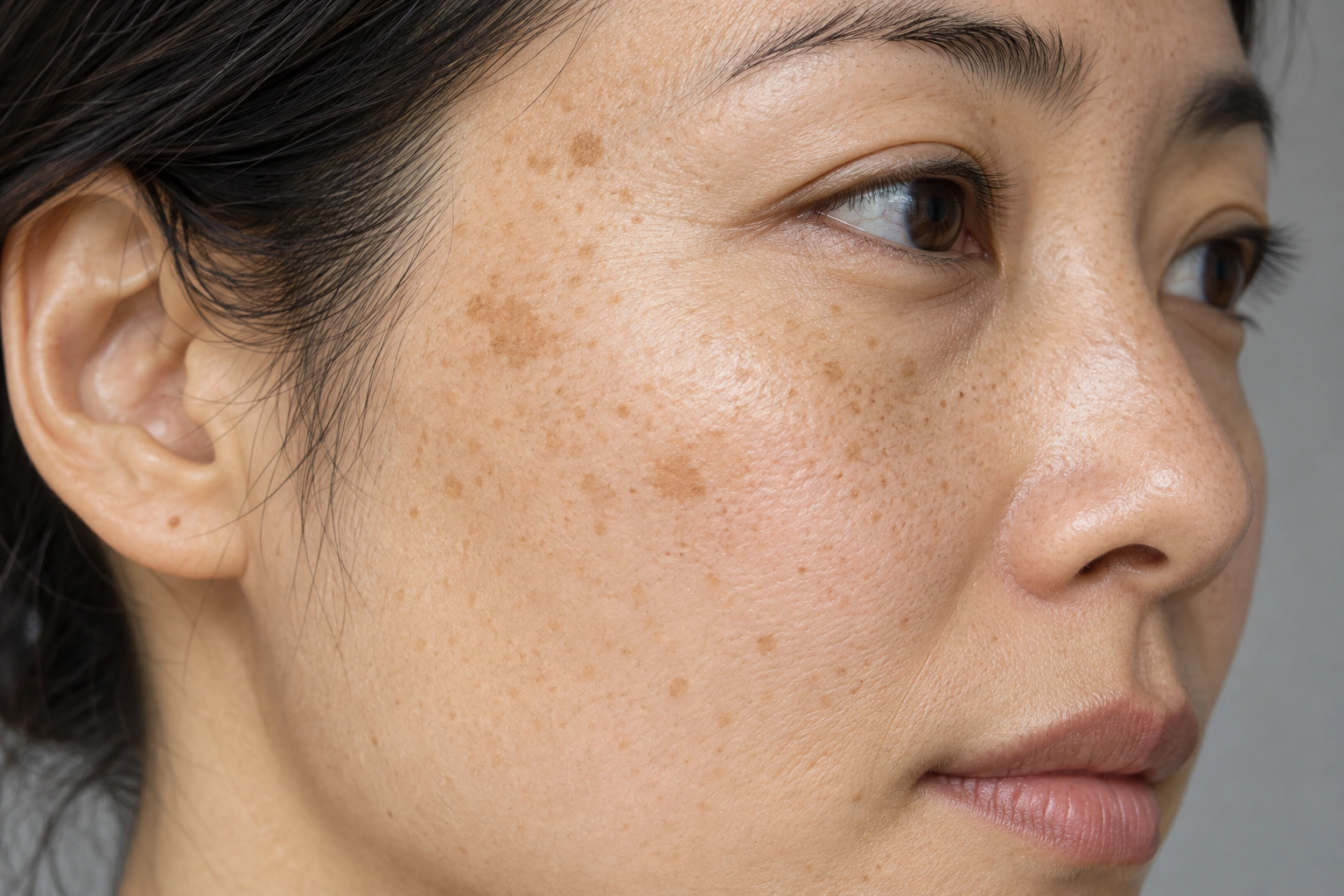
Ruby (approximately 694nm) and alexandrite (approximately 755nm) lasers target melanin in selected pigment lesions such as freckles and solar lentigines, but melasma, post-inflammatory pigmentation and naevi require different diagnosis and settings. Wavelength names alone cannot identify a better device; crusting, post-inflammatory hyperpigmentation and hypopigmentation risks vary with skin colour, lesion depth and pulse duration.
Definition, benefits and precautions at a glance
| Category | What to check |
|---|---|
| Wavelength | Ruby approximately 694nm; alexandrite approximately 755nm |
| Assessing indications | First distinguish freckles, solar lentigines, naevi and melasma |
| Limitations | Does not treat every brown spot or skin tone uniformly |
| Recovery | Redness, swelling and crusts for days to weeks; vary by settings and area |
| Cautions | PIH, hypopigmentation, burns, eye injury and recurrence possible |
Definitions and how the treatments work
Both wavelengths are absorbed by melanin but differ in absorption, penetration and competing melanin in surrounding skin. Q-switched and picosecond devices differ in pulse duration; long-pulsed alexandrite is also used for hair removal, vessels and other goals, so identical names do not mean identical treatment. Do not diagnose from photographs alone or first remove moles or suspected skin cancer with cosmetic lasers.
Potential benefits and limitations
Some well-defined superficial lesions may lighten after one or two sessions, but persistence, recurrence and pigment changes are possible. Melasma can worsen with heat, inflammation and UV; beware promises of cure using intense spot irradiation. Darker skin, recent tanning or substantial outdoor activity require closer evaluation of epidermal melanin absorption and PIH risk.
Suitable candidates and preliminary assessment
People seeking improvement of diagnosed freckles, solar lentigines or other pigment lesions may consult. Report recent tanning or sunburn, photosensitive conditions or medicines, keloids, pigmentation history, pregnancy, breastfeeding, active infection or herpes and previous laser reactions. Asymmetry, rapid growth, bleeding, ulceration or multiple colours require skin-cancer differentiation first.
Procedure, recovery and preparation
Distinguish lesions by necessary examination, including visual inspection and dermoscopy. Confirm actual laser model, wavelength, pulse duration, spot size, need for test irradiation, eye protection and cooling. Redness, swelling and fine crusts can last days to weeks; picking increases scar and pigment risks. Maintain moisturising, light protection and sunscreen; pigment changes may require months of follow-up.
Adverse effects, contraindications and precautions
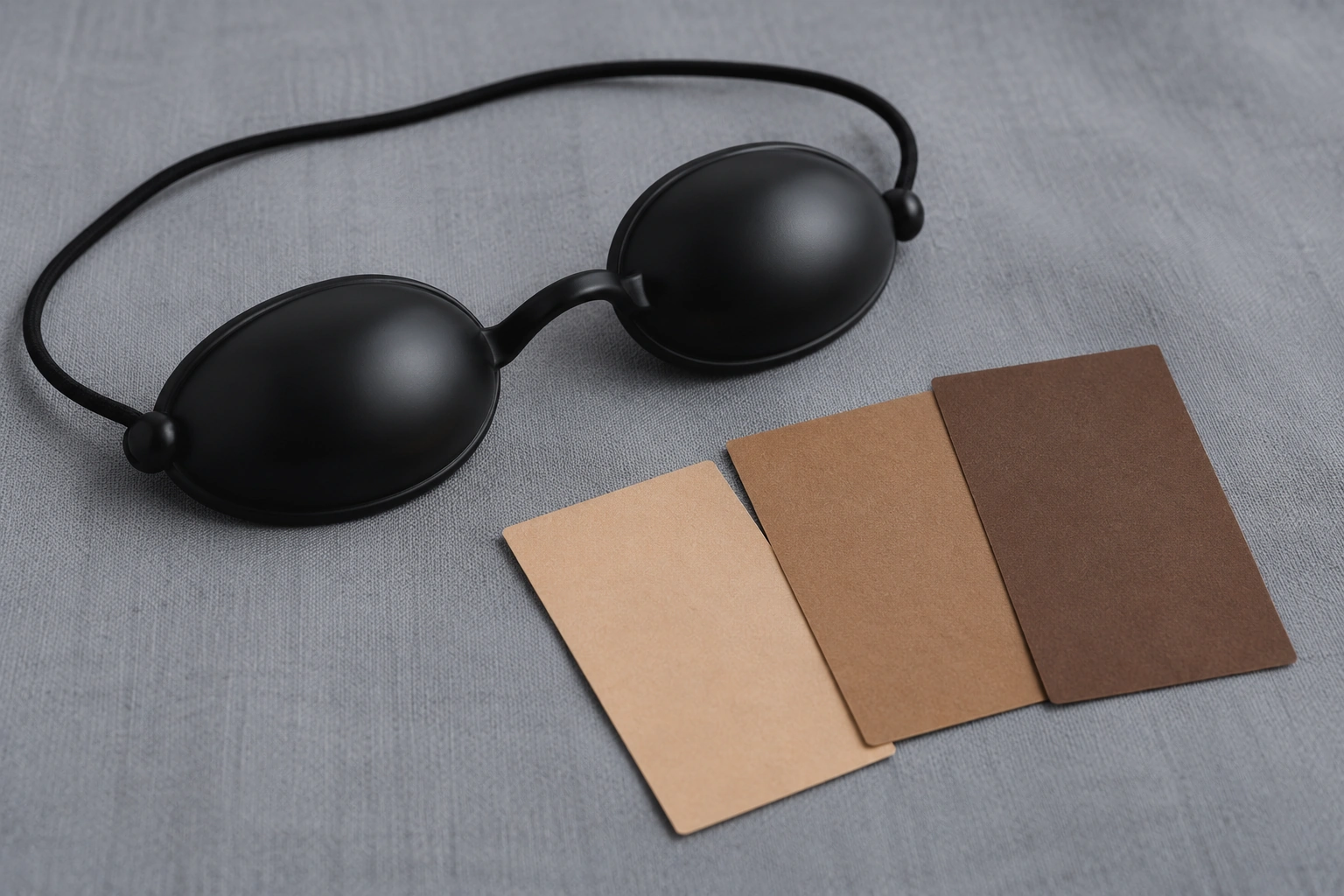
Besides pain, erythema, swelling and crusting, blisters, burns, infection, scarring, post-inflammatory hyperpigmentation, hypopigmentation and lesion recurrence are possible. Periocular treatment requires protection suited to wavelength and area; black protection in staged photographs does not establish actual certification. Severe pain, blisters, oozing or visual symptoms need immediate assessment.
Differences between ruby, alexandrite, Nd:YAG and IPL
| Method | Main goal | Key differences and precautions |
|---|---|---|
| Ruby laser | Melanin target at approximately 694nm | Assess competing epidermal melanin, skin colour and hypopigmentation |
| Alexandrite laser | Melanin target at approximately 755nm | Check pulse duration, hair-removal/pigment purpose and model |
| Nd:YAG 1064nm | Longer wavelength with relatively deeper delivery | Purpose differs by lesion and mode |
| IPL | Filtered light across a broad wavelength range | Different from a single laser wavelength; check skin colour and filter |
Questions and answers for a medical consultation
The answers below are literature-based consultation questions, not a clinician interview or individual diagnosis; actual medical review remains incomplete.
Q. Do age spots disappear in one session?
A. Some solar lentigines may respond, but persistence, recurrence and PIH mean session counts and results cannot be guaranteed.
Q. Is picosecond ruby always best for melasma?
A. Melasma may worsen or recur; diagnosis and a gentle long-term plan matter more than the wavelength name.
Q. Is crusting necessary for an effect?
A. Reactions vary by lesion and settings; heavier crusting does not mean better results.
Evidence sources and full text
Review of laser treatment for pigmented lesions (https://pubmed.ncbi.nlm.nih.gov/21492309/) and review of laser treatment of pigmentation disorders in darker skin (https://pubmed.ncbi.nlm.nih.gov/26922302/) were consulted. AAD Melasma: Diagnosis and treatment (https://www.aad.org/public/diseases/a-z/melasma-treatment) and general principles of safe laser selection were also checked. Evidence checked on 2026-10-02. Findings were not generalised as wavelength superiority or indications for every brown lesion.
SEOLREIM’s principle of consultations and procedures performed personally by the director
SEOLREIM Clinic describes its principles of consultations and procedures performed personally by the clinic director, genuine products, appropriate quantities and attentive care. Consultation starts by distinguishing skin condition and goals, then checking the products and equipment actually available, approved uses, the dose or energy plan, recovery and risks. Signature pigment-laser and brightening consultations distinguish melasma, solar lentigines, freckles and post-inflammatory pigmentation. Confirm actual ownership of ruby or alexandrite equipment, model, wavelength and approved uses before booking.
Booking, language, and location information for overseas visitors
Visitors seeking pigmentation or laser treatment in Korea should report outdoor sightseeing, flight dates, recent tanning and pigmentation history to plan for crusts, light protection and follow-up. SEOLREIM Clinic is approximately 1 minute from Exit 3 of Gangnam Station, on the 11th floor of the Gangnam 8258 Building. You can book through the website’s KakaoTalk consultation, Naver booking or telephone channels. Overseas visitors comparing dermatology clinics in Gangnam, Seoul, the Gangnam Station area or Korea should prepare details of medications, allergies, recent procedures and departure dates. When booking, state your preferred language, such as Japanese, Chinese, Arabic, Mongolian or Indonesian, and whether you need an interpreter, to confirm the actual scope and cost of support. Continuous consultation availability in each language and same-day procedures cannot be confirmed. Also agree on contact arrangements for adverse reactions after returning home and the follow-up schedule during consultation.
Authorship, review and dates
Author: SEOLREIM content editor / Medical-professional review: completed / Review confirmed: 2026-10-23 / Published: 2026-10-02 / Updated: 2026-10-27. This is general medical information and does not replace individual diagnosis or a procedural prescription.
SEOLREIM · GANGNAM, SEOUL
Discuss Skin Treatments in Seoul with Seolreim Clinic.
SEOLREIM Clinic provides consultations and procedures personally performed by the clinic director, following its principles of genuine products, appropriate quantities and attentive care.
Tell us your treatment interests, skin concerns, dates in Korea and preferred consultation language. Confirm treatment suitability, recovery plans and language support before booking.