SEOLREIM · JOURNAL
SculpSure 1060nm Laser Fat Reduction: Results, Burn Risk, and Differences from ONDA
Full professional English translation completed and self-reviewed against the Korean source; numerical tokens and medical cautions preserved; separate medical review of this translation is pending. Translation updated: 2026-10-28.
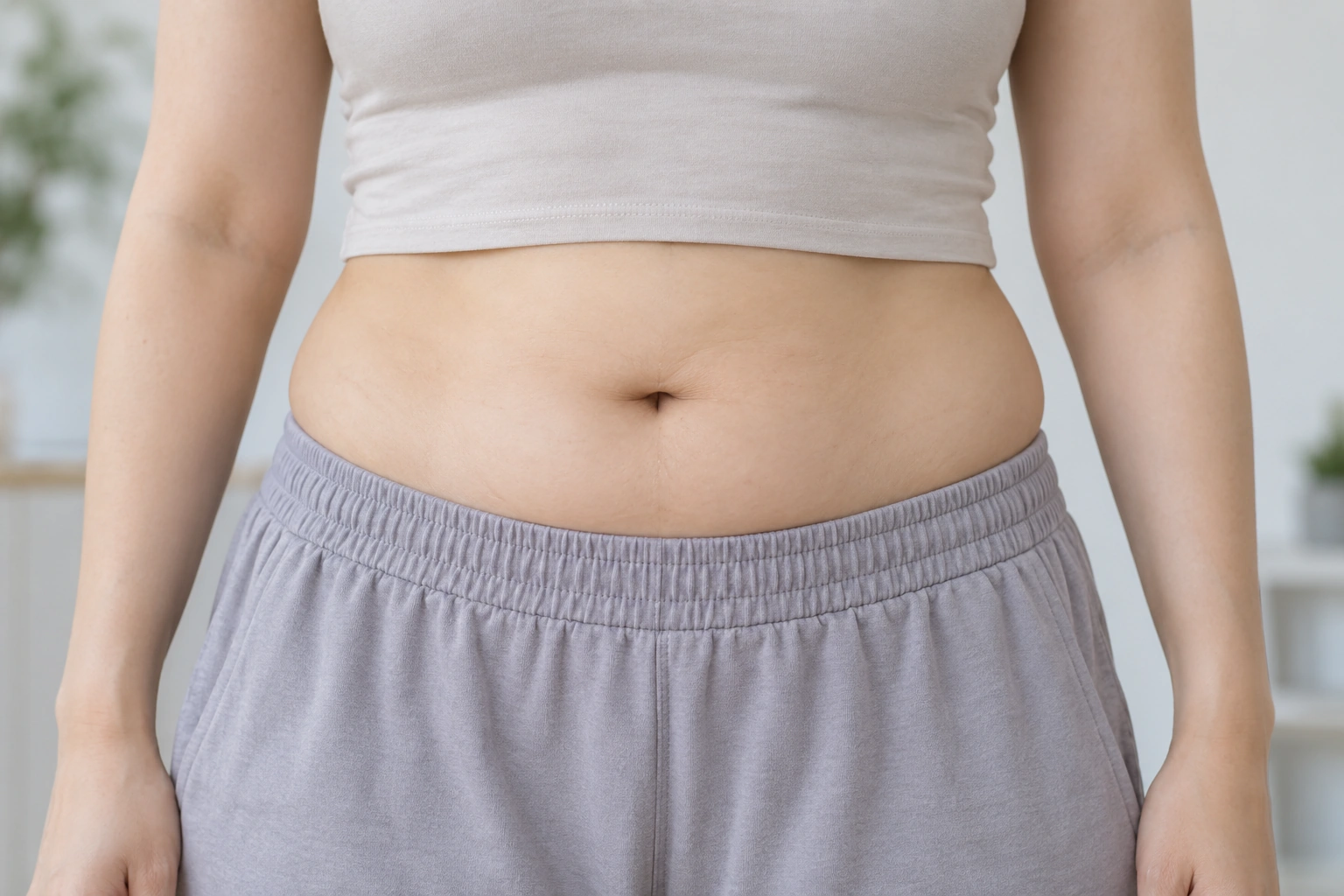
SculpSure is a noninvasive body-contouring treatment that uses a 1060nm diode laser to heat subcutaneous fat in a selected area in a controlled manner, aiming to damage fat cells and gradually reduce the contour over several weeks to several months. It is not a treatment for weight loss, obesity, or visceral fat, and the average reduction in fat-layer thickness reported in clinical studies cannot be promised as an individual reduction in weight or circumference. Patients should be informed about heat and pain during treatment and the uncommon possibility of burns, blisters, and nodules.
Definition, effects and precautions at a glance
| Category | What to check |
|---|---|
| Energy | Heating subcutaneous fat with a 1060nm diode laser |
| Main goal | Localized bulges of subcutaneous fat on areas such as the abdomen and flanks |
| When changes appear | Changes begin over several weeks and are generally assessed after 6–12 weeks or longer |
| Common reactions | Heat, tenderness, swelling, and firmness lasting several days to several weeks |
| Main risks | Burns, blisters, pain, nodules, and contour irregularity |
Definition and mechanism
The 1060nm light passes through the skin and transfers heat to subcutaneous fat. Cooling protects the epidermis while controlled thermal injury is induced in fat cells. The damaged fat cells gradually decrease through inflammatory and clearance processes. Panel contact, output, treatment time, cooling, and fat thickness are important; the treatment cannot address excess skin, muscle, hernias, or visceral fat.
Potential benefits and limitations
Studies of the abdomen and flanks have reported ultrasound-measured reductions in fat-layer thickness after a single 1060nm diode-laser treatment. However, sample sizes and device protocols are limited, the changes are localized, and they are not equivalent to the health benefits of weight loss. Satisfaction may be lower when the skin is markedly lax or the fat layer is very thin.
Who may be suitable and when to avoid treatment
Appropriate candidates are adults with relatively stable weight whose primary concern is pinchable subcutaneous fat in an area approved for treatment with the device. Pregnancy or breastfeeding, active infection or wounds, reduced sensation or neuropathy, a hernia, severe liver or metabolic disease, photosensitizing medication, recent surgery or liposuction, and a very thin fat layer are contraindications or require separate assessment.
Procedure and expected recovery period
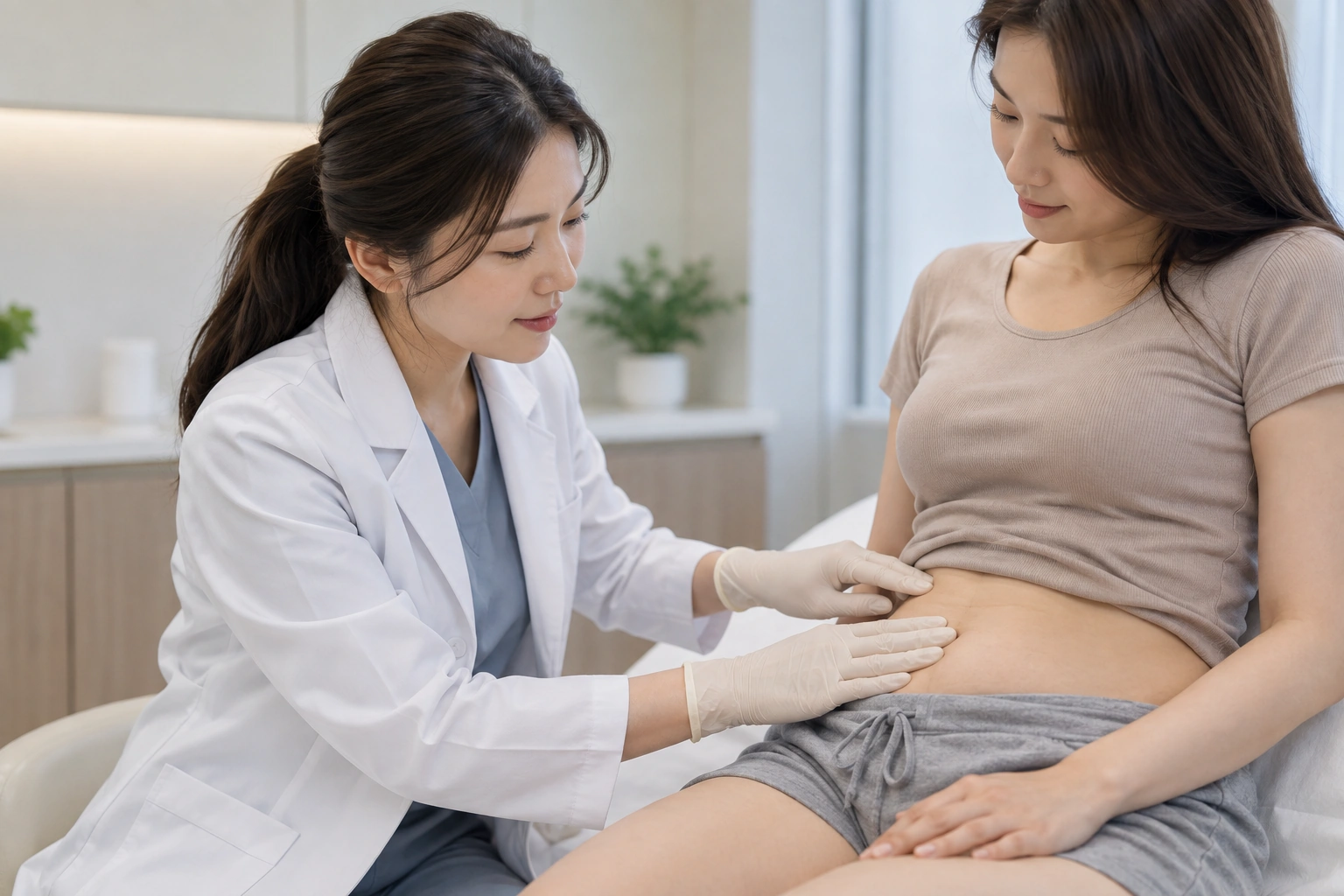
While the patient is standing, the clinician evaluates fat, skin laxity, muscle, edema, hernias, and left-right differences. The panels are then placed in close contact and cooling and heating cycles are delivered. Repeated sensations of deep heat and stinging may occur during treatment, followed by tenderness, swelling, firmness, or a nodular sensation for several days to several weeks. Results are not immediate and are generally followed for at least 6–12 weeks.
Side effects, contraindications and warning signs
In addition to heat, redness, tenderness, swelling, numbness, and firmness, possible complications include persistent pain, burns, blisters, pigment changes, scarring, nodules, and contour irregularity. Thermal injury may be recognized late if a device panel does not make even contact or if the treatment area has reduced sensation. Intolerable focal heat pain during treatment, or blisters, skin-color changes, or worsening pain afterward, requires immediate medical evaluation.
Differences Among SculpSure, ONDA, Cryolipolysis, and Liposuction
| Method | Main goal | Key differences and precautions |
|---|---|---|
| SculpSure | Damages subcutaneous fat with 1060nm heat | Heat, burns, nodules, and assessment over several months |
| ONDA microwaves | Uses microwave heat to address fat and firmness | Burns, pain, and sensory changes |
| Cryolipolysis | Damages fat cells through cooling | Cold injury, reduced sensation, and paradoxical adipose hyperplasia |
| Liposuction | Physically removes fat | Risks involving anesthesia, bleeding, infection, embolism, and contour irregularity |
Medical Q&A
Q. Will SculpSure reduce my weight?
A. It targets the appearance of localized subcutaneous fat and is not a treatment for weight loss or visceral fat.
Q. Are the results visible immediately?
A. Because swelling and tenderness can affect the appearance, final changes are assessed over several weeks to several months.
Q. Is it better than ONDA?
A. Their energy types, treatment areas, fat and skin-firmness goals, and risks differ, so one cannot be declared universally superior.
References
The U.S. FDA guidance on noninvasive body contouring (https://www.fda.gov/medical-devices/aesthetic-cosmetic-devices/non-invasive-body-contouring-technologies) explains that these treatments do not produce weight loss. A clinical study of the 1060nm diode laser on the abdomen (https://pubmed.ncbi.nlm.nih.gov/33647960/) and a randomized controlled trial on the flanks (https://pubmed.ncbi.nlm.nih.gov/28902034/).
SEOLREIM's principle of consultation and treatment directly by the clinic director
SEOLREIM Clinic does not recommend SculpSure based only on weight or circumference measurements. The doctor personally evaluates fat, muscle, edema, skin laxity, and hernias, then compares only 2–3 appropriate options among the clinic’s signature body programs—such as SculpSure, ONDA, InMode Body, cryolipolysis, and fat-dissolving injections—that are actually available. The doctor performs the treatment directly according to SEOLREIM’s principles of authentic products, correct quantities, and attentive care.
Information for international visitors
Visitors searching for “body contouring Korea” or “medical tourism Korea” should disclose any history of reduced sensation, hernia, or liposuction, as well as plans for long-haul flights and follow-up for burns or nodules after returning home. SEOLREIM Clinic is on the 11th floor of the Gangnam 8258 Building, about 1 minute from Exit 3 of Gangnam Station. Appointments can be made through the website’s KakaoTalk consultation, Naver booking, or telephone channels. International visitors comparing information on a Gangnam skin clinic, Seoul skin clinic, Gangnam Station skin clinic, or Korean skin clinic should prepare their passport, allergy information, medication list, recent treatment records, and departure schedule, and should confirm available consultation languages and the scope of interpretation support before booking. Depending on the examination findings, same-day treatment may not be possible, or follow-up after returning home may be necessary.
Author, reviewer, publication date and update date
Written by: SEOLREIM Content Editor / Medical review: Completed / Review confirmation date: 2026-10-23 / Publication date: 2026-09-29 / Updated: 2026-10-27. This is general medical information and does not replace individual diagnosis or a treatment prescription.
SEOLREIM · GANGNAM, SEOUL
Discuss Skin Treatments in Seoul with Seolreim Clinic.
Seolreim Clinic provides doctor-led consultation and treatment, following its principles of genuine products, accurate quantities and attentive care.
Tell us your treatment interests, skin concerns, dates in Korea and preferred consultation language. Confirm treatment suitability, recovery plans and language support before booking.