SEOLREIM · JOURNAL
Vbeam for Facial Redness and Rosacea: 595nm PDL vs IPL
Full professional English translation completed and self-reviewed against the Korean source; numerical tokens and medical cautions preserved; separate medical review of this translation is pending. Translation updated: 2026-10-28.
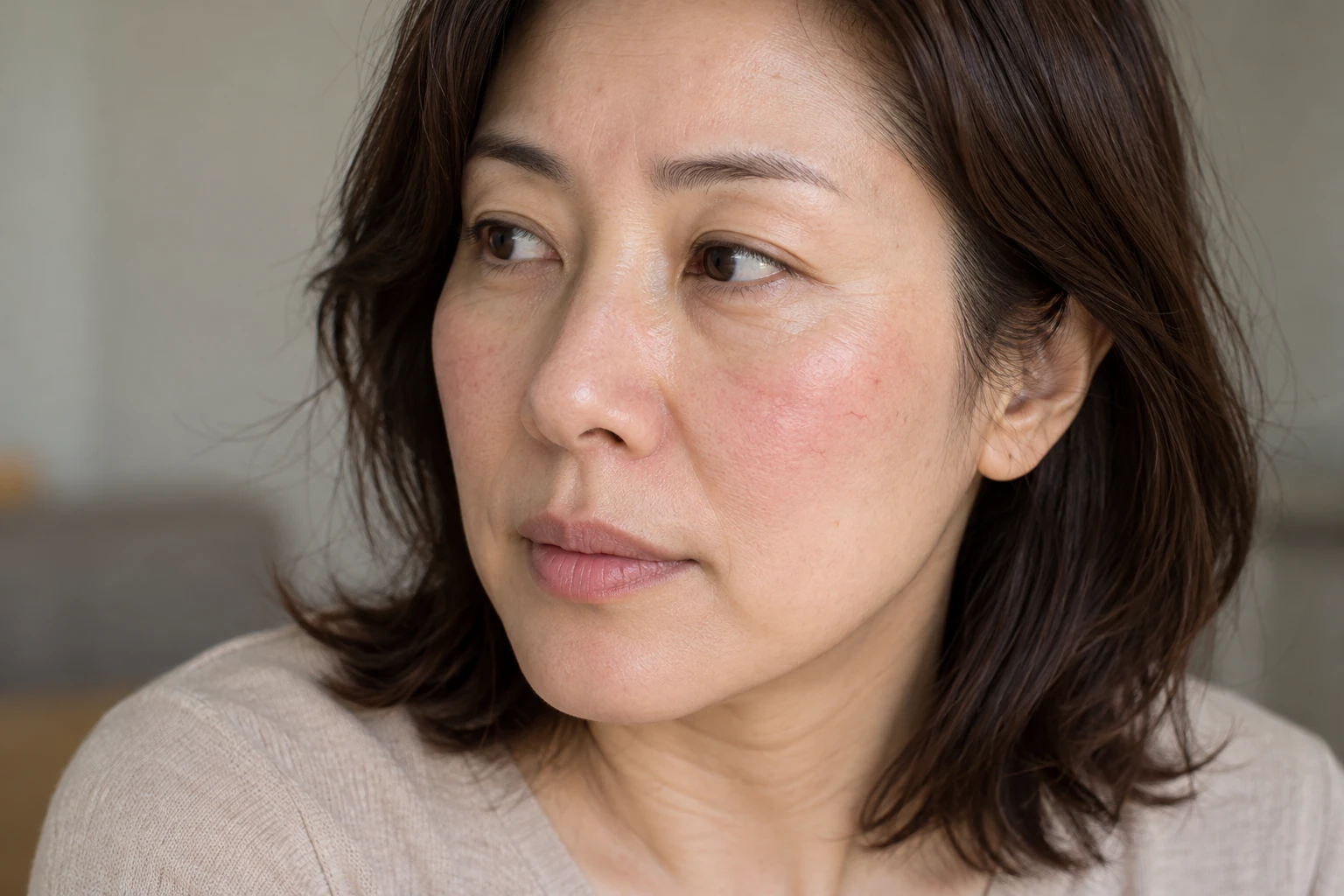
Vbeam is a 595nm pulsed dye laser (PDL) platform that targets hemoglobin in blood vessels and is used to reduce persistent erythema, dilated capillaries, and vascular symptoms of rosacea. It does not treat every cause of heat or flushing or cure rosacea. Depending on the settings, purpura, swelling, blisters, and pigment changes may occur, so treatment must be adjusted to skin tone and vessel diameter and depth.
Definition, effects and precautions at a glance
| Category | What to check |
|---|---|
| Wavelength and target | 595nm; hemoglobin in blood vessels |
| Main goal | Persistent erythema, telangiectasia, and vascular symptoms of rosacea |
| Recovery | Redness and swelling for several days; purpura may last 1–2 weeks or longer |
| Limitations | Causes of transient flushing, inflammatory papules, and the skin barrier require separate treatment |
| Main risks | Purpura, blisters, PIH, hypopigmentation, scarring, and eye injury |
Definition and mechanism
PDL uses selective photothermolysis: hemoglobin in the vessels absorbs the energy, causing thermal injury to the vessels. Pulse width, spot size, energy, and cooling determine whether a setting produces more or less purpura. A different wavelength or IPL may be more suitable for deep or large vessels or for brown pigment. Treating all facial redness with a vascular laser without a diagnosis can worsen barrier damage or dermatitis.
Potential benefits and limitations
Comparative studies and meta-analyses have reported improvement with both PDL and IPL for persistent erythema and telangiectasia associated with rosacea. However, studies are heterogeneous and often involve repeated treatments, while heat, stinging, papules, pustules, and ocular symptoms may also require medication and barrier care. Symptoms may recur because of triggers such as stress, heat, alcohol, and ultraviolet exposure.
Who may be suitable and when to avoid treatment
Appropriate candidates are adults whose main concern is persistent erythema or clearly visible capillaries and who have been assessed for rosacea, dermatitis, acne, lupus, and other differential diagnoses. Recent intense sun exposure or tanning, photosensitizing medication, active infection or eczema, keloids, bleeding disorders, pregnancy or breastfeeding, treatment around the eyes, darker skin tones, and a history of PIH require separate assessment.
Procedure and expected recovery period
The doctor evaluates the distribution of erythema, vessel diameter, skin tone, barrier condition, and ocular symptoms, then determines whether to use a test spot, whether purpura is acceptable, and what cooling and eye protection are required. Burning, redness, and swelling may last several days after treatment, while purpura may persist for 1–2 weeks or longer. Use cool compresses, moisturizer, and sun protection, and follow guidance about avoiding heat triggers such as saunas, strenuous exercise, and alcohol.

Side effects, contraindications and warning signs
In addition to temporary redness, swelling, purpura, and itching, possible complications include blisters, crusting, burns, PIH, hypopigmentation, and scarring. Proper metal eye protection is important around the eyes, because direct or reflected laser exposure can cause eye injury. Severe pain, blisters, visual symptoms, or rapidly spreading swelling requires immediate medical evaluation.
Differences Among PDL, IPL, KTP, and Medication
| Method | Main goal | Key differences and precautions |
|---|---|---|
| 595nm PDL/Vbeam | Persistent erythema and capillaries | Purpura and swelling; settings vary by vessel diameter |
| IPL | Broad-spectrum approach to redness and pigment together | Filters, skin tone, burn risk, and PIH are important |
| 532nm KTP | Superficial red vessels | Caution regarding melanin absorption and darker skin tones |
| Topical and oral medication | Controls inflammatory papules, erythema, and flushing | Confirm diagnosis, pregnancy status, and systemic adverse effects |
Medical Q&A
Q. Does Vbeam cure rosacea?
A. Rosacea is a chronic, recurrent condition, so long-term management is needed even if vascular symptoms decrease.
Q. Must purpura occur for the treatment to work?
A. Nonpurpuric settings may be used depending on the vessel type and goal, so purpura is not required for effectiveness.
Q. Is Vbeam always better than IPL?
A. Suitability differs according to the vessels, pigment, skin tone, and acceptable recovery time.
References
The 2024 practical guidance on rosacea treatment (https://pmc.ncbi.nlm.nih.gov/articles/PMC10821660/), a meta-analysis comparing PDL and IPL (https://pubmed.ncbi.nlm.nih.gov/39231572/), and the U.S. NIH overview of rosacea (https://www.niams.nih.gov/health-topics/rosacea) were consulted. Approval for each device and the instructions for settings by skin tone take precedence.
SEOLREIM's principle of consultation and treatment directly by the clinic director
SEOLREIM Clinic does not repeat Vbeam treatment solely because a face looks red. The doctor personally distinguishes among rosacea, dilated vessels, acne, dermatitis, PIH, and barrier damage, then selects the necessary sequence among signature brightening options—such as PDL, IPL, pico laser, soothing care, and medication—using devices actually available at the clinic. The doctor performs the treatment directly according to SEOLREIM’s principles of authentic products, correct quantities, and attentive care.
Information for international visitors
Visitors searching for “laser treatment Korea” or “pigmentation treatment Korea” should disclose recent tanning, photosensitizing medication, rosacea medication, and ocular symptoms, and should provide a return-travel schedule that allows for possible purpura. SEOLREIM Clinic is on the 11th floor of the Gangnam 8258 Building, about 1 minute from Exit 3 of Gangnam Station. Appointments can be made through the website’s KakaoTalk consultation, Naver booking, or telephone channels. International visitors comparing information on a Gangnam skin clinic, Seoul skin clinic, Gangnam Station skin clinic, or Korean skin clinic should prepare their passport, allergy information, medication list, recent treatment records, and departure schedule, and should confirm available consultation languages and the scope of interpretation support before booking. Depending on the examination findings, same-day treatment may not be possible, or follow-up after returning home may be necessary.
Author, reviewer, publication date and update date
Written by: SEOLREIM Content Editor / Medical review: Completed / Review confirmation date: 2026-10-23 / Publication date: 2026-09-29 / Updated: 2026-10-27. This is general medical information and does not replace individual diagnosis or a treatment prescription.
SEOLREIM · GANGNAM, SEOUL
Discuss Skin Treatments in Seoul with Seolreim Clinic.
Seolreim Clinic provides doctor-led consultation and treatment, following its principles of genuine products, accurate quantities and attentive care.
Tell us your treatment interests, skin concerns, dates in Korea and preferred consultation language. Confirm treatment suitability, recovery plans and language support before booking.