SEOLREIM · JOURNAL
Cryolipolysis Results and Side Effects: CoolSculpting and Paradoxical Adipose Hyperplasia
Full professional English translation completed and self-reviewed against the Korean source; numerical tokens and medical cautions preserved; separate medical review of this translation is pending. Translation updated: 2026-10-28.
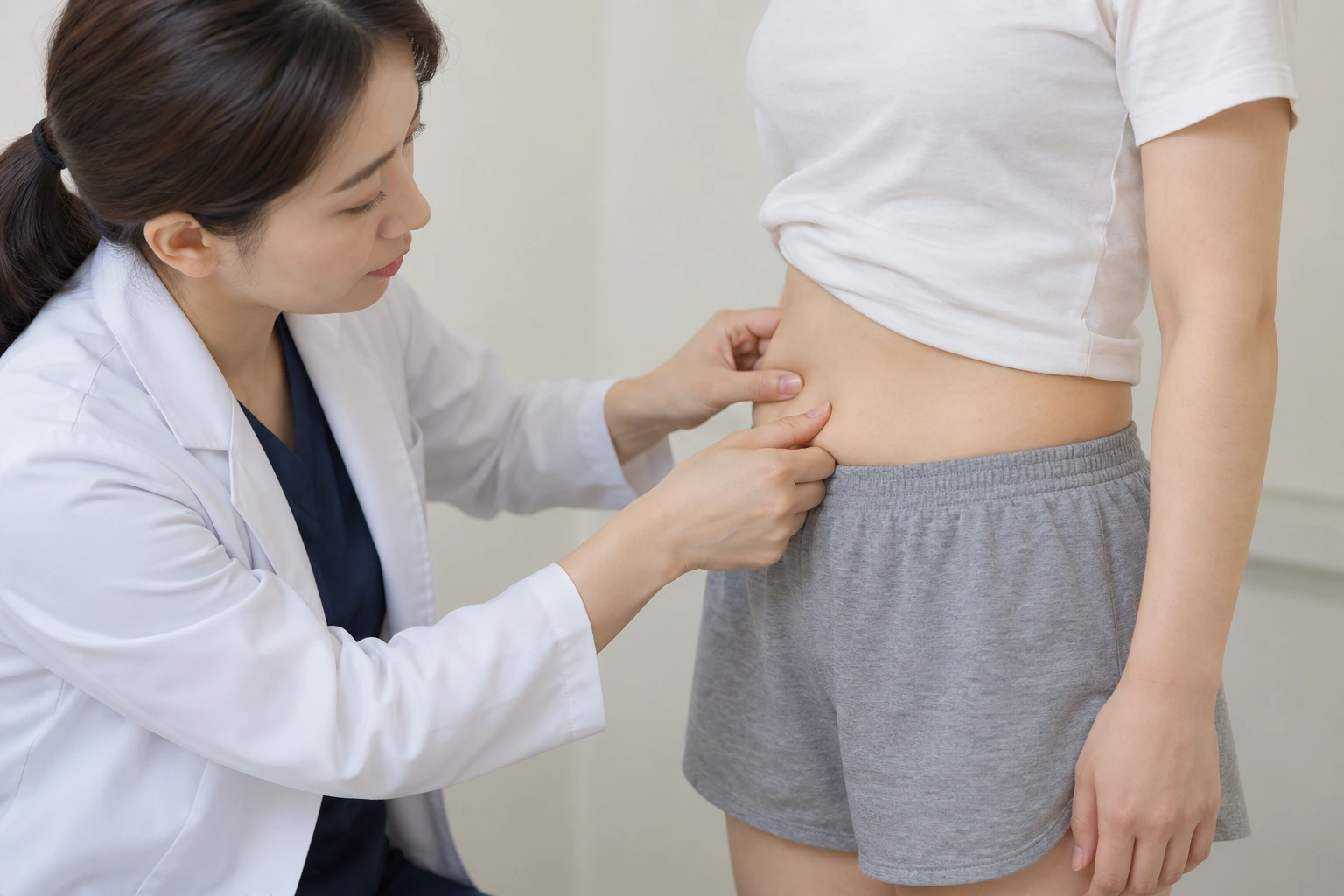
Cryolipolysis is a nonsurgical body-contouring treatment that uses a suction applicator or similar device to expose subcutaneous fat to controlled low temperatures, inducing fat-cell injury and gradual reduction over several weeks to several months. It is not a treatment for weight loss, obesity, or visceral fat. Rarely, paradoxical adipose hyperplasia (PAH), in which fat in the treated area becomes firmer and enlarges, can develop several months later and may require surgical correction. Therefore, the treatment should not be described as “fat freezing without side effects.”
Definition, effects and precautions at a glance
| Category | What to check |
|---|---|
| Mechanism | Controlled cooling injury to subcutaneous fat in a selected area |
| Expected scope | Gradual reduction in the appearance of a pinchable localized fat bulge |
| When changes appear | Changes begin over several weeks and are generally assessed over several months |
| Common reactions | Redness, bruising, tenderness, tingling, and reduced sensation for several days to several weeks |
| Important risks | Cold injury, persistent pain, neurologic symptoms, PAH, and contour irregularity |
Definition and mechanism
The treatment uses the fact that fat cells respond to cooling differently from surrounding tissues. Tissue is cooled at a specified temperature for a specified time, after which inflammatory and clearance processes reduce fat-layer thickness. Applicator size, suction, temperature, time, and tissue contact affect both results and the risk of cold injury. Excess skin, muscle, hernias, and visceral fat cannot be corrected through cooling.
Potential benefits and limitations
A pinchable layer of subcutaneous fat may gradually decrease and improve the appearance of selected areas for which the device is approved, such as the abdomen, flanks, thighs, and submental area. The amount of reduction is limited, and results vary with weight changes, skin elasticity, and cellulite. A single treatment cannot be guaranteed to produce a large reduction in weight or waist circumference or to prevent permanent recurrence.
Who may be suitable and when to avoid treatment
Appropriate candidates are adults with relatively stable weight whose main concern is localized, pinchable subcutaneous fat. Cryoglobulinemia, paroxysmal cold hemoglobinuria, cold urticaria, Raynaud disease, chilblains, reduced sensation or neuropathy, a hernia, infection or wounds, pregnancy or breastfeeding, and recent surgery or liposuction are contraindications or require separate assessment.
Procedure and expected recovery period
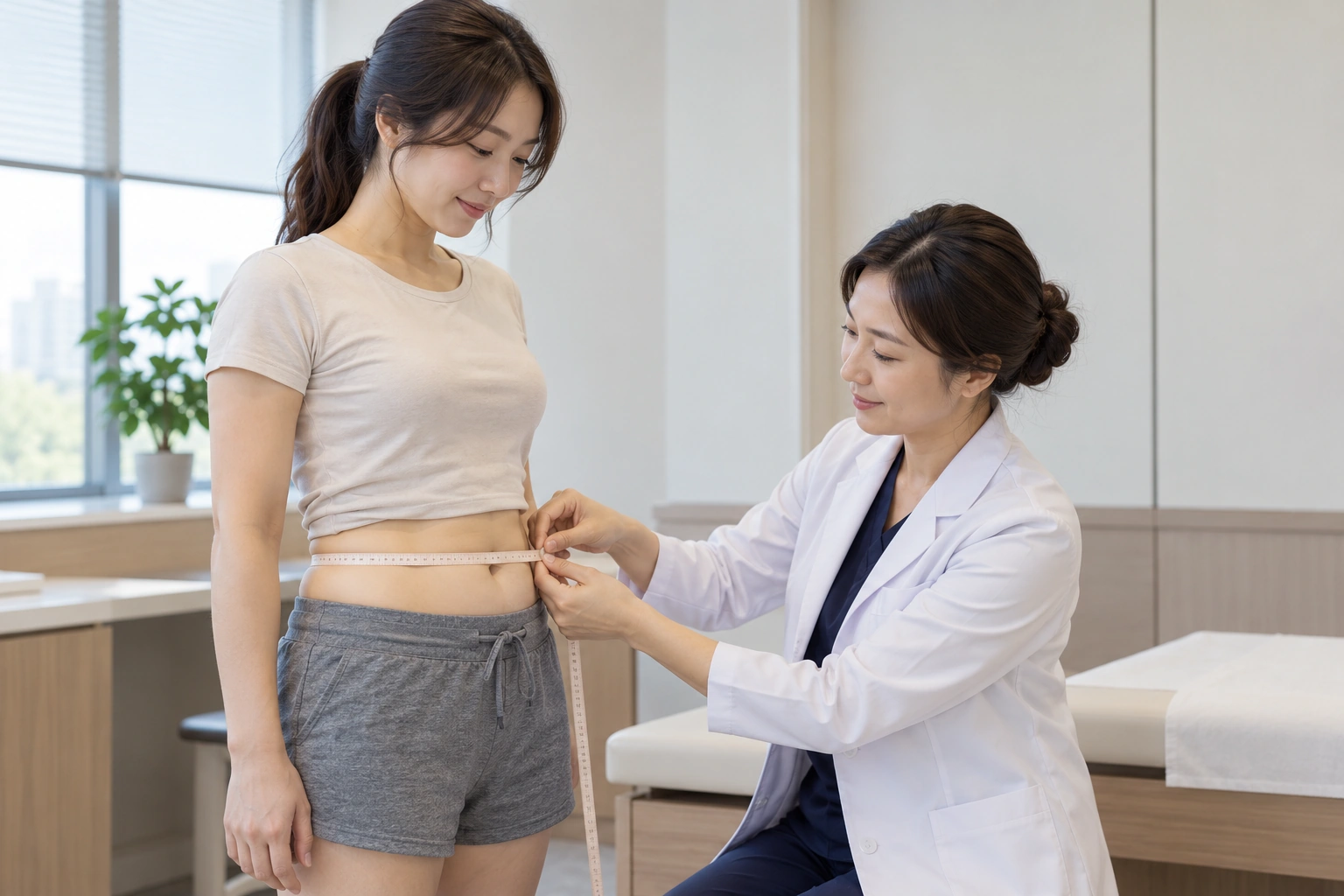
While the patient is standing, the clinician evaluates fat, skin laxity, muscle, edema, hernias, and left-right differences, then positions an approved applicator. Strong cold and pulling occur early in treatment, followed by possible numbness. Redness, bruising, tenderness, tingling, and reduced sensation may last several days to several weeks. Results and the possibility of PAH must be followed for at least 2–5 months rather than assessed immediately.
Side effects, contraindications and warning signs
In addition to temporary redness, bruising, swelling, tenderness, and tingling, possible complications include severe persistent pain, altered sensation, motor-nerve injury, cold injury, blisters, pigment changes, and contour irregularity. PAH is a complication in which the treated area enlarges into a firm, clearly demarcated mass of fatty tissue; spontaneous improvement is difficult, and surgical correction such as liposuction may be necessary. The safety of home freezing devices has not been established.
Differences Among Cryolipolysis, ONDA, RF, and Liposuction
| Method | Main goal | Key differences and precautions |
|---|---|---|
| Cryolipolysis | Damages fat cells in a selected area through cooling | PAH, cold injury, reduced sensation, and assessment over several months |
| ONDA microwaves | Uses heat to address the appearance of localized fat and firmness | Burns, pain, and sensory changes |
| Radiofrequency/RF | Primarily tissue heating and skin firmness | Extent and depth of fat reduction and burn risk |
| Liposuction | Physically removes fat | Risks involving anesthesia, bleeding, infection, embolism, and contour irregularity |
Medical Q&A
Q. Does cryolipolysis cause weight loss?
A. It targets the appearance of localized subcutaneous fat and is not a treatment for weight loss or visceral fat.
Q. When does PAH appear?
A. It may appear several months later as a firm, enlarged contour rather than immediately after treatment.
Q. Will applying ice at home have the same effect?
A. Uncontrolled cooling carries a risk of cold injury, and its effectiveness and safety have not been established.
References
The U.S. FDA guidance on noninvasive body contouring (https://www.fda.gov/medical-devices/aesthetic-cosmetic-devices/non-invasive-body-contouring-technologies) explains that cryolipolysis is not an obesity treatment and carries risks including PAH and cold injury. A 2025 systematic review and meta-analysis of PAH incidence (https://pubmed.ncbi.nlm.nih.gov/41322038/) and a review of adverse reactions to cryolipolysis (https://pubmed.ncbi.nlm.nih.gov/32976167/).
SEOLREIM's principle of consultation and treatment directly by the clinic director
SEOLREIM Clinic does not recommend cryolipolysis based only on weight or circumference measurements. The doctor personally evaluates fat, muscle, edema, skin laxity, hernias, and cold-related disorders, then compares only 2–3 appropriate options among signature body programs—such as cryolipolysis, ONDA, InMode Body, radiofrequency, and fat-dissolving injections—using devices actually available at the clinic. The doctor performs the treatment directly according to SEOLREIM’s principles of authentic products, correct quantities, and attentive care.
Information for international visitors
Visitors searching for “body contouring Korea” or “medical tourism Korea” should disclose cold-related disorders, reduced sensation, hernias, and any history of liposuction, as well as long-haul flights and a plan for several months of PAH follow-up after returning home. SEOLREIM Clinic is on the 11th floor of the Gangnam 8258 Building, about 1 minute from Exit 3 of Gangnam Station. Appointments can be made through the website’s KakaoTalk consultation, Naver booking, or telephone channels. International visitors comparing information on a Gangnam skin clinic, Seoul skin clinic, Gangnam Station skin clinic, or Korean skin clinic should prepare their passport, allergy information, medication list, recent treatment records, and departure schedule, and should confirm available consultation languages and the scope of interpretation support before booking. Depending on the examination findings, same-day treatment may not be possible, or follow-up after returning home may be necessary.
Author, reviewer, publication date and update date
Written by: SEOLREIM Content Editor / Medical review: Completed / Review confirmation date: 2026-10-23 / Publication date: 2026-09-28 / Updated: 2026-10-27. This is general medical information and does not replace individual diagnosis or a treatment prescription.
SEOLREIM · GANGNAM, SEOUL
Discuss Skin Treatments in Seoul with Seolreim Clinic.
Seolreim Clinic provides doctor-led consultation and treatment, following its principles of genuine products, accurate quantities and attentive care.
Tell us your treatment interests, skin concerns, dates in Korea and preferred consultation language. Confirm treatment suitability, recovery plans and language support before booking.