SEOLREIM · JOURNAL
Exosome Skin Booster Results and Safety: Injection vs Topical Application vs MTS
Full professional English translation completed and self-reviewed against the Korean source; numerical tokens and medical cautions preserved; separate medical review of this translation is pending. Translation updated: 2026-10-28.
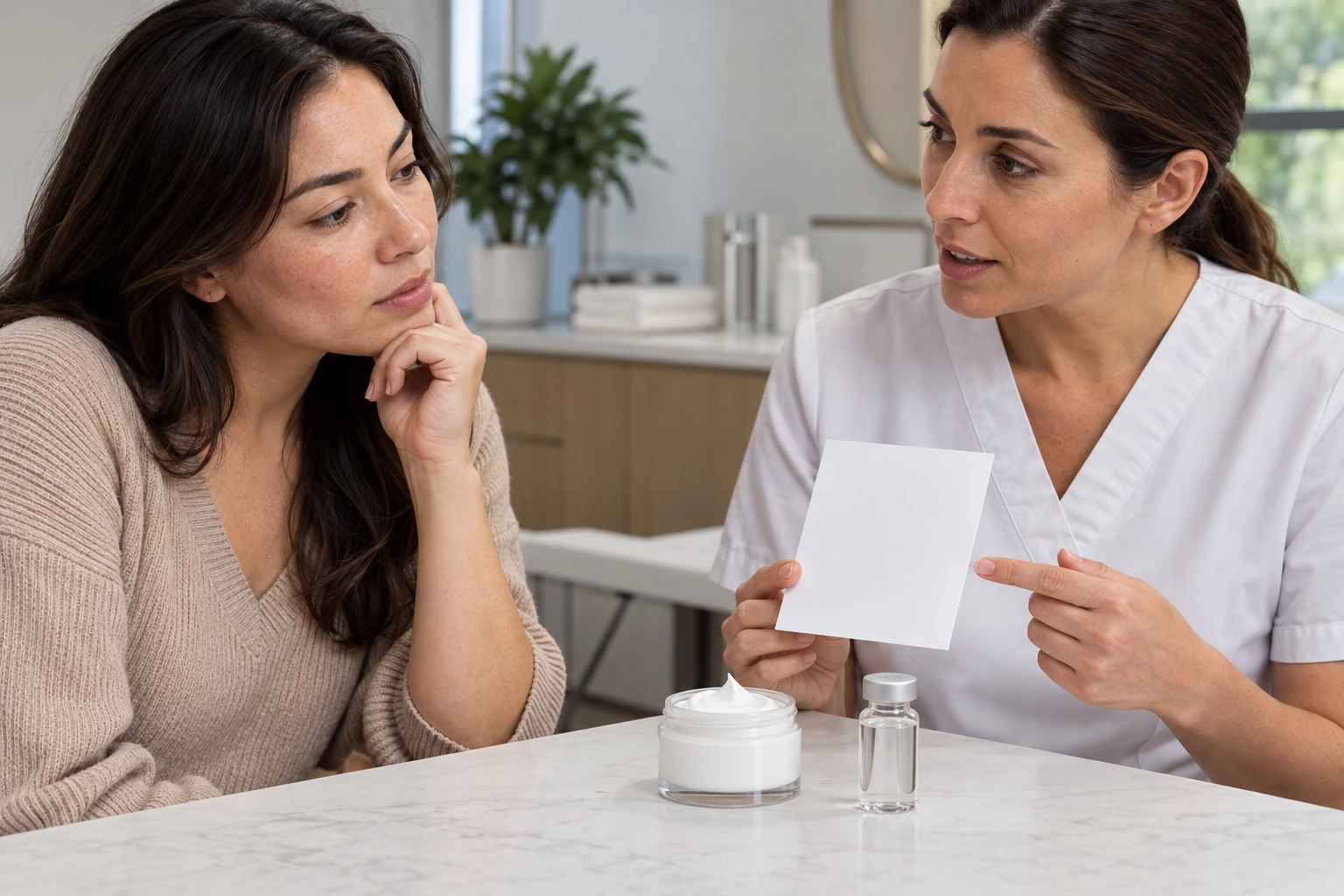
“Exosome skin booster” is a general term for care that applies extracellular vesicles secreted by cells—or cosmetic or tissue-derived products presented as such—to the skin or combines them with microneedling or laser treatment. Actual composition, manufacturing, sterility, and approved use differ among products, so they cannot be generalized as “cell-regeneration injections.” Evidence for cosmetic effectiveness and long-term safety is also limited and product-specific, so injections, topical application, and MTS should not be compared as if they were the same treatment.
Definition, effects and precautions at a glance
| Category | What to check |
|---|---|
| Definition | General term for care using cell-derived vesicles or products presented as such |
| Application method | Simple topical application, application after MTS or laser, and injection differ in risk and approval status |
| Expected scope | Some small studies report improvements in skin texture, erythema, and recovery measures |
| Evidence limitations | Insufficient product standardization, large comparisons, and long-term follow-up |
| Main risks | Contamination, infection, inflammation, allergy, granulomas, and unpredictable tissue responses |
Definition and mechanism
Exosomes are lipid-membrane vesicles involved in signaling between cells. Cosmetic products, however, may contain culture-medium components, growth factors, and proteins in addition to purified extracellular vesicles, or an “exosome” label may not match analytical standards. Topical use on an intact barrier, use after MTS or laser has disrupted the barrier, and subcutaneous or intradermal injection differ substantially in exposure depth and infection risk, so the product label and Korean approval must be checked first.
Potential benefits and limitations
Early clinical and preclinical studies have reported possible improvements in skin texture, hydration, erythema, and post-procedure recovery measures. However, products, cell sources, concentrations, carriers, and combined procedures vary, and large randomized studies and long-term safety data are lacking. It cannot be guaranteed that pores, scars, and aging will all regenerate in one treatment or that tissue will be restored as if by stem cells.
Who may be suitable and when to avoid treatment
Adults who understand the goals and limitations of existing treatments and can verify the product name, ingredients, and application method may seek consultation. Pregnancy or breastfeeding, active infection, herpes or dermatitis, immunosuppression, active autoimmune disease, current cancer treatment, severe allergies, a tendency to form keloids, and recent strong laser treatment or peels must be disclosed. Injection of products with unclear sources, sterility, or approval should be avoided.
Procedure and expected recovery period
The doctor assesses the skin barrier, inflammation, and desired goal and explains the product’s manufacturer, lot number, storage, expiration date, ingredients, and approved method of use. Simple topical application has a short recovery, but microneedling or laser combinations may cause redness, stinging, and microcrusting for several days, while injection-related bumps, bruising, and swelling may last several days to 1–2 weeks. Do not stop retinoids, acids, or anticoagulants without guidance before treatment; adjust them with the clinician.
Side effects, contraindications and warning signs
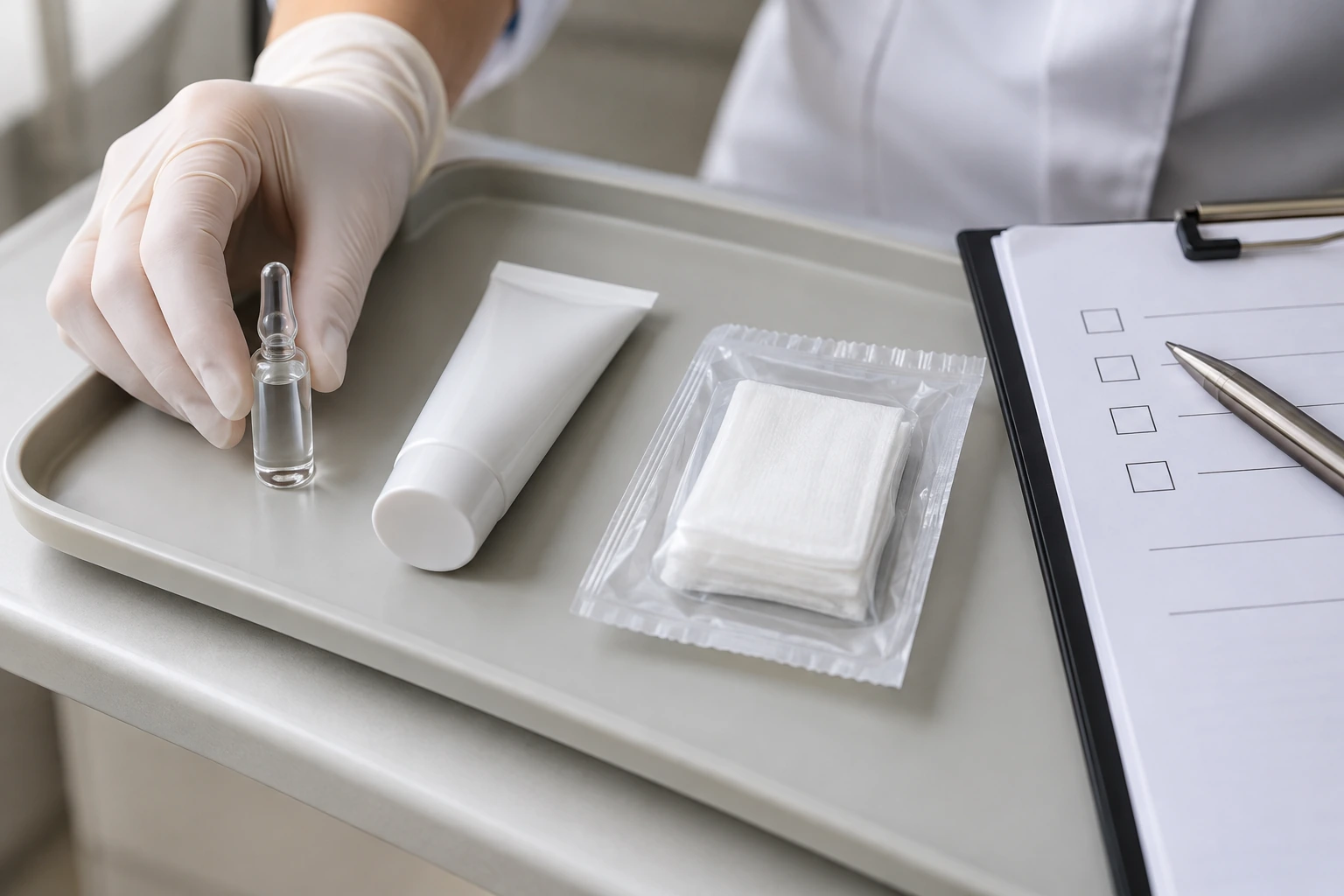
In addition to erythema, itching, contact dermatitis, and worsening acne, possible complications include infection after barrier damage, abscesses, nodules or granulomas at injection sites, pigmentation, and unpredictable immune responses. Severe pain, heat, spreading redness, pus, fever, or a persistent hard nodule requires immediate medical attention. A foreign regulator’s statement that there is “no approval” does not have the same meaning as Korean approval, but it can inform caution about exaggerated claims of whole-body regeneration.
Differences Among Topical Exosomes, MTS, Exosome Injections, and PN
| Method | Main goal | Key differences and precautions |
|---|---|---|
| Simple topical exosome application | Supports surface moisturization and soothing | Limitations in barrier penetration and active-ingredient delivery |
| Application after MTS or laser | Combination care through microscopic channels | Increased risks of infection, inflammation, and PIH |
| Exosome injection | Direct tissue exposure | Pay particular attention to product approval, sterility, and immune responses |
| PN skin booster | Intradermal injection of a specified PN/PDRN product | Confirm product-specific approval, pain, bumps, and allergies |
Medical Q&A
Q. Are exosomes stem-cell injections?
A. Exosomes are not cells themselves, and product composition and regulatory scope must be checked separately.
Q. Does applying them after laser treatment accelerate recovery?
A. Some studies suggest this possibility, but products and laser conditions differ, so it cannot be guaranteed.
Q. Is a frozen product necessarily better?
A. Storage method alone does not establish purity, sterility, or effectiveness; test data and approval must also be reviewed.
References
The US FDA safety communication on exosome products (https://www.fda.gov/vaccines-blood-biologics/safety-availability-biologics/public-safety-notification-exosome-products) warns about unapproved exosome products and adverse events. A 2025 clinical dermatology review (https://jcadonline.com/exosomes-comprehensive-review-practing-dermatologists/) and a review of extracellular vesicles by cell source (https://pmc.ncbi.nlm.nih.gov/articles/PMC11858990/) were consulted. Actual treatment should follow product-specific Korean approvals.
SEOLREIM’s Principle of Direct Consultation and Treatment by the Doctor
SEOLREIM Clinic does not recommend injection based only on the term “exosome.” The doctor personally checks the product, ingredients, application method, and skin barrier, then compares only 2–3 options with suitable evidence and recovery times among signature skin boosters such as Rejuran, Juvelook, NCTF, and hydrating injections. The doctor performs the treatment directly according to SEOLREIM’s principles of authentic products, correct quantities, and attentive care.
Information for international visitors
Visitors searching for “skin booster Korea” or “Korean skin clinic” should confirm the exosome cell source, manufacturer, lot number, application method, Korean approval, and how to contact the clinic about infection or nodules after returning home. SEOLREIM Clinic is on the 11th floor of the Gangnam 8258 Building, about 1 minute from Exit 3 of Gangnam Station. Appointments can be made through the website’s KakaoTalk consultation, Naver booking, or telephone channels. International visitors comparing information on a Gangnam skin clinic, Seoul skin clinic, Gangnam Station skin clinic, or Korean skin clinic should prepare their passport, allergy information, medication list, recent treatment records, and departure schedule, and should confirm available consultation languages and the scope of interpretation support before booking. Depending on the examination findings, same-day treatment may not be possible, or follow-up after returning home may be necessary.
Author, reviewer, publication date and update date
Written by: SEOLREIM Content Editor / Medical review: Completed / Review confirmation date: 2026-10-23 / Publication date: 2026-09-27 / Updated: 2026-10-27. This is general medical information and does not replace individual diagnosis or a treatment prescription.
SEOLREIM · GANGNAM, SEOUL
Discuss Skin Treatments in Seoul with Seolreim Clinic.
Seolreim Clinic provides doctor-led consultation and treatment, following its principles of genuine products, accurate quantities and attentive care.
Tell us your treatment interests, skin concerns, dates in Korea and preferred consultation language. Confirm treatment suitability, recovery plans and language support before booking.