SEOLREIM · JOURNAL
Freckles vs Age Spots vs Dark Spots: Choosing IPL or Pico Laser and Managing Recurrence
Full professional English translation completed and self-reviewed against the Korean source; numerical tokens and medical cautions preserved; separate medical review of this translation is pending. Translation updated: 2026-10-28.
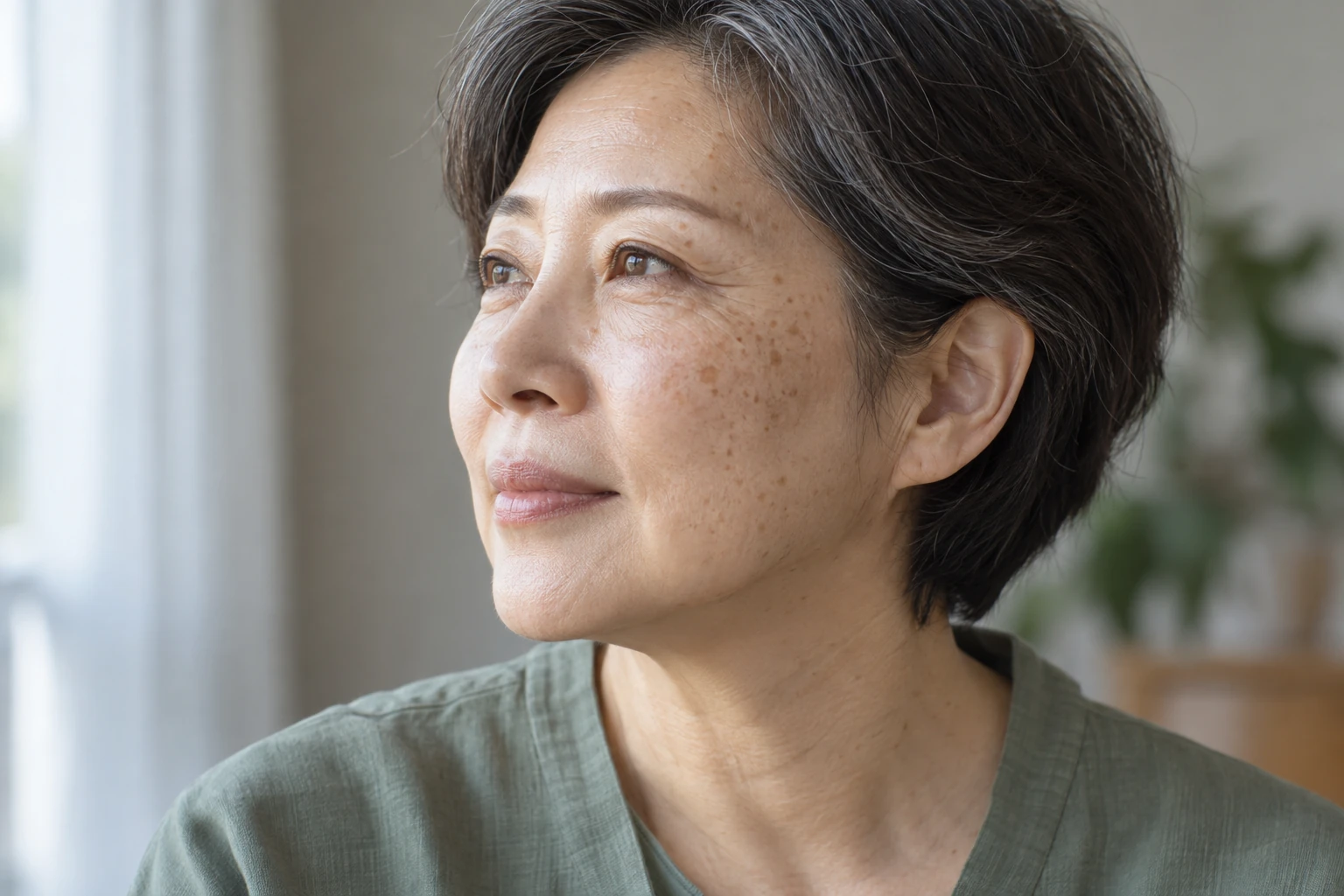
Freckles are small spots influenced by genetics and ultraviolet exposure, while solar lentigines, commonly called age spots, are relatively well-demarcated spots caused by cumulative ultraviolet exposure. Their treatment responses differ from those of melasma and post-inflammatory hyperpigmentation. Before choosing IPL or a pico laser, other lesions—including skin cancer—must be excluded, and skin tone, season, and ultraviolet-exposure plans must be reviewed.
Definition, effects and precautions at a glance
| Category | What to check |
|---|---|
| Freckles | Small spots that often appear from childhood and darken with sunlight |
| Solar lentigines | Relatively well-demarcated spots on sun-exposed areas that appear in adulthood |
| Melasma | Broad, irregular patches on both sides of the face influenced by heat, hormones, and light |
| PIH | Brown or gray-brown marks after acne, wounds, or procedures |
| Warning signs | Asymmetry, irregular borders, multiple colors, rapid change, or bleeding requires diagnosis first |
Definition and mechanism
IPL uses filters to select a range of wavelengths and creates a thermal response in superficial melanin and vessels, while a picosecond laser uses very short pulses to produce a photoacoustic effect in pigment targets at a selected wavelength. Wavelength, spot size, pulse, and energy vary with lesion depth, skin tone, and accompanying melasma, so superiority cannot be determined from the device name alone.
Potential benefits and limitations
Diagnosed superficial freckles and solar lentigines may fade, making skin tone appear more even. Lesions may recur or newly develop over time and with ultraviolet exposure, and accompanying melasma can worsen with intense heat and light. “Dark-spot removal” is not a medical diagnosis, and all brown lesions cannot be eliminated in one treatment.
Who may be suitable and when to avoid treatment
Appropriate candidates are adults with stable superficial pigmentation who can follow sun-protection and crust-care instructions. Recent tanning or sunburn, pregnancy or breastfeeding, photosensitizing medication, active dermatitis or infection, keloids, a history of PIH in darker skin, and previous worsening of melasma must be disclosed. Suspicious lesions require skin diagnosis and testing before laser treatment.
Procedure and expected recovery period
Lesions on the face, backs of the hands, and other areas are examined under magnification and distinguished from melasma, PIH, and nevi. Treatment follows a test spot and use of protective eyewear. Redness and heat may last several hours to several days, while pigment may temporarily darken and microcrusting may remain for 1–2 weeks. Do not pick the crusts; moisturize, use broad-spectrum sun protection, and avoid treatment before intense outdoor schedules.

Side effects, contraindications and warning signs
In addition to stinging, erythema, swelling, and crusting, possible complications include burns, blisters, hyperpigmentation, hypopigmentation, worsening melasma, and scarring. Worsening pain and heat, blisters, oozing, or patchy white spots requires immediate medical attention. Excessive repeated toning may cause mottled hypopigmentation.
Differences Among IPL, Pico Laser, and Laser Toning
| Method | Main goal | Key differences and precautions |
|---|---|---|
| IPL | Broad-spectrum approach to superficial pigment and vessels | Assess possible worsening in melasma and darker skin tones |
| Pico laser | Targets pigment with short pulses and a selected wavelength | Responses differ by wavelength, spot size, and energy |
| Low-fluence laser toning | Repeated low-fluence approach to diffuse pigment | Caution regarding cumulative irritation and mottled hypopigmentation |
| Sun protection and topical agents | Prevention of new pigmentation and worsening melasma with long-term management | Must continue after procedures |
Medical Q&A
Q. Are age spots and melasma the same?
A. Solar lentigines are individual spots, while melasma commonly forms broad, irregular patches, so diagnosis and treatment differ.
Q. Does crusting mean the treatment worked better?
A. It depends on the lesion and device; strong crusting itself does not indicate a better result.
Q. Can I use less sun protection in autumn?
A. UVA and visible-light exposure occur regardless of season, so consistent protection is necessary.
References
A systematic review of IPL applications in skin conditions is available on PubMed (https://pubmed.ncbi.nlm.nih.gov/24495252/), and an overview of IPL principles and safety is available in the NIH Bookshelf (https://www.ncbi.nlm.nih.gov/books/NBK580525/). Changing pigmented lesions or possible skin cancer must be diagnosed before cosmetic laser treatment.
SEOLREIM’s Principle of Direct Consultation and Treatment by the Doctor
SEOLREIM Clinic does not treat every brown lesion with the same energy under the general term “dark spots.” The doctor personally distinguishes among freckles, solar lentigines, melasma, PIH, and skin tones, then determines the sequence of pico toning, IPL, laser toning, or topical care and performs treatment according to SEOLREIM’s principles of authentic products, correct quantities, and attentive care.
Information for international visitors
Visitors searching for “pigmentation treatment Korea” or “laser treatment Korea” should disclose their natural skin tone, recent tanning, history of melasma or PIH, and sunlight plans after departure. SEOLREIM Clinic is on the 11th floor of the Gangnam 8258 Building, about 1 minute from Exit 3 of Gangnam Station. Appointments can be made through the website’s KakaoTalk consultation, Naver booking, or telephone channels. International visitors should prepare their passport, allergy information, medication list, recent treatment records, and departure schedule, and should confirm available consultation languages and the scope of interpretation support before booking. Depending on the examination findings, same-day treatment may not be possible, or follow-up after returning home may be necessary.
Author, reviewer, publication date and update date
Written by: SEOLREIM Content Editor / Medical review: Completed / Review confirmation date: 2026-10-23 / Publication date: 2026-09-25 / Updated: 2026-10-27. This is general medical information and does not replace individual diagnosis or a treatment prescription.
SEOLREIM · GANGNAM, SEOUL
Discuss Skin Treatments in Seoul with Seolreim Clinic.
Seolreim Clinic provides doctor-led consultation and treatment, following its principles of genuine products, accurate quantities and attentive care.
Tell us your treatment interests, skin concerns, dates in Korea and preferred consultation language. Confirm treatment suitability, recovery plans and language support before booking.