
Weight-Loss Strategies
Lose weight just by taking a pill? Understand weight-loss medications before using them

Mukbang YouTuber Ipjjalbeun Haetnim, with 1.75 million subscribers, recently announced a hiatus after allegations emerged that she had received a psychotropic appetite suppressant from an unlicensed practitioner known as “Injection Auntie,” identified as A. Concern over weight-loss medicines has risen again, particularly because the drug is suspected to be Dietamin, nicknamed the “butterfly pill,” containing phentermine, a psychotropic substance under the Narcotics Control Act.
This is a psychotropic medicine that may be taken only following a lawful medical assessment and prescription through a healthcare institution. A nonmedical person obtaining and supplying it for weight loss, or anyone taking or passing on medicine prescribed in another person's name, is acting illegally. The rapidly expanding diet-drug market, promoted on weight-loss results, distributes products through unofficial routes such as acquaintances' prescriptions, overseas purchases and direct social-media transactions, increasing misuse and abuse.
This does not mean that weight-loss medicines themselves are invariably dangerous. But focusing only on results while ignoring proper use and appropriate criteria can damage health. Oral appetite suppressants in particular stimulate the central nervous system to suppress appetite, and prolonged use can cause insomnia, palpitations, gastrointestinal problems and other adverse effects. Severe cases can involve dependence and withdrawal. Consumers may think losing weight is all that matters, but adverse effects may outweigh the weight-loss benefit. That is why accurate medical assessment and medication guidance are essential.
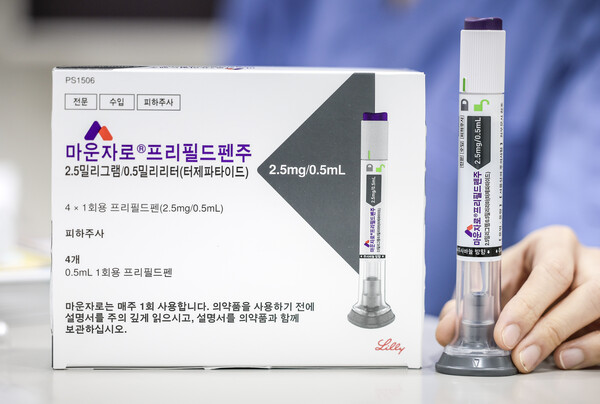
By contrast, injectable weight-control medicines that have recently attracted attention differ in mechanism and safety. Mounjaro, for example, is a dual GLP-1/GIP injection now used more widely to treat obesity and manage metabolic disease. Unlike ordinary diet medicines, it is used for obesity associated with metabolic disorders and can also be used in patients with type 2 diabetes.
Mounjaro is not a cure-all, however. Underlying disease, gastrointestinal condition and interactions with existing medicines must be carefully considered, and administration must follow assessment and prescription by a medical professional. Effects are not identical in everyone; individual constitution and how it is used can increase adverse-effect risk. Use is restricted in those with a history of gastritis, reflux oesophagitis or pancreatitis, and doses must be adjusted when combined with diabetes medicines.
Mounjaro can also produce more stable, lasting effects when combined with a fat-management program tailored to individual body shape and metabolic status rather than used alone. More important than short-term weight loss are healthy reductions in body and visceral fat and improvements in lifestyle without rebound weight gain.
There is no easy diet. The idea of simply eating something to lose weight is an illusion. Pursuing dramatic results by obtaining medicine from an unqualified person or accepting someone else's prescription is dangerous. Medicine is an aid, not a shortcut. Above all, losing weight safely with a carefully chosen professional is the beginning of truly healthy weight management.
Weight management is about direction, not speed. Medicine is a tool, not a shortcut, and knowing how to use that tool safely is the role of a true professional.