
Slow Aging
Slow aging: A new standard for beauty and health
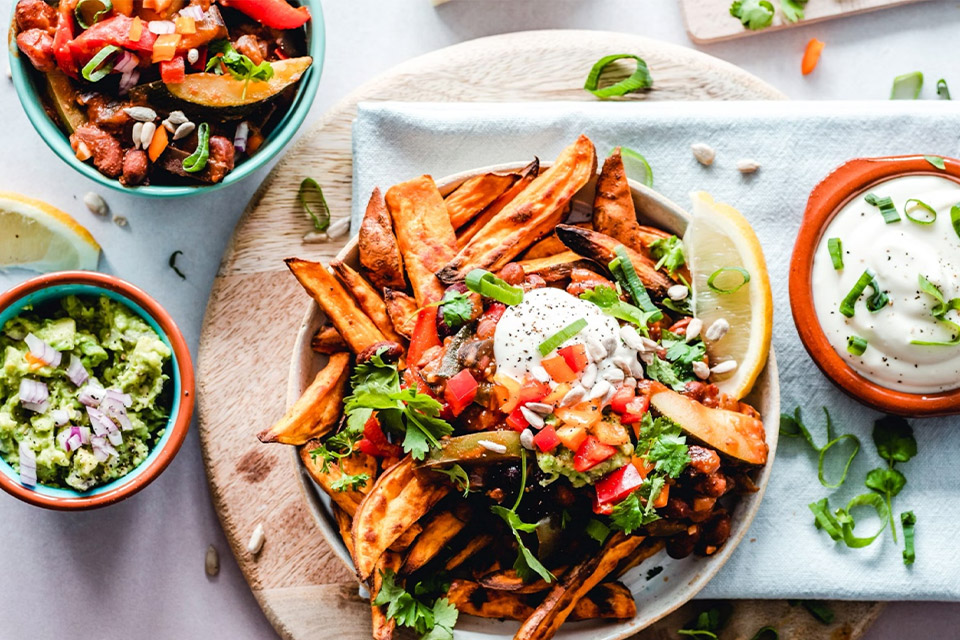
Slow Aging, which has recently attracted worldwide attention, is a new trend that goes beyond simply staying young: it seeks to preserve a healthy, beautiful appearance while enjoying the natural process of growing older. It considers internal health alongside external changes and focuses on improving quality of life. Today, I would like to introduce eating habits and dermatological procedures for practising slow aging and share the secrets to maintaining healthy, lasting beauty.
Many studies repeatedly emphasise that the main factors determining the pace of aging are lifestyle habits, particularly proper nutrition and exercise. Slow aging begins with the food we eat every day.
Various recent studies on slow aging highlight the importance of antioxidant action and inflammation management in slowing the aging process. The US National Institute on Aging has identified a close relationship between the accumulation of reactive oxygen species in the body and cellular aging. In particular, studies have reported that people who regularly ate antioxidant-rich foods had lower cellular oxidative stress, reduced inflammation levels and better-preserved skin collagen than those who did not. Diets centred on vegetables, nuts, whole grains and plant protein, such as the Mediterranean diet, have also been shown to positively affect skin aging as well as cardiovascular health.
Above all, balanced protein intake is important. Protein is essential for skin and muscle health, but a diet dominated by animal protein may instead promote the production of reactive oxygen species and accelerate aging. The ratio of animal to plant protein should be adjusted to 1:2 to increase plant protein intake. Foods such as beans, nuts and whole grains benefit the skin and the body overall, while slowing digestion to prevent sharp blood-glucose rises and effectively suppressing inflammatory responses closely associated with aging.
When aiming for slow aging, refined carbohydrate intake should also be reduced. Because white bread, cheese and red meat generate reactive oxygen species and trigger inflammation, I recommend a diet that replaces these foods with whole grains, a variety of vegetables and lower-sugar fruits. This dietary approach plays a particularly important role in reducing oxidation in skin cells and preventing collagen breakdown.
Improving eating habits alone can put slow aging into practice, but combining them with dermatological care to prevent the gradual loss of skin collagen can produce more effective results. Most people lose 1% of their collagen each year from around age 25. Consistent attention from the early stages of aging is therefore important.
I recommend Baby Collagen injections. They stimulate collagen production within the skin, creating firmness and adding natural volume. Their ability to absorb deeply without lumps or side effects makes them excellent for maintaining healthy skin through collagen regeneration. Because the results do not look artificial, they can be considered suitable for people pursuing slow aging.
The second procedure I would recommend is Ultherapy lifting. It uses high-intensity ultrasound to stimulate deep skin layers and generate heat, inducing collagen production. It improves elasticity, softens wrinkles and produces natural facial contours. Thanks to the lifting effect that emerges gradually after treatment, it can be a good choice for those concerned about fine lines and reduced elasticity.
If skin is generally dry and wrinkles have increased, skin boosters—hyaluronic acid injections—are another good option. They deliver moisture deep into the skin and strengthen the barrier, helping improve fine lines and texture. They also enhance the skin’s inherent ability to retain moisture, helping restore the natural vitality important to slow aging.
Slow aging is not aimed at short-term effects; it is a process of improving one’s overall way of living and creating sustainable beauty. Whereas intensive procedures were once preferred simply to look younger, a slow-aging lifestyle centred on health and naturalness is now rapidly gaining prominence.
I always tell patients, ‘Accepting the passage of time in good health is a form of beauty too.’ Ultimately, slow aging begins with caring for the appearance and health that naturally change with age, and confidently accepting them.
Anyone can practise slow aging. I hope you maintain a healthy, confident appearance through proper eating habits, lifestyle changes and, when needed, help from dermatological procedures. Your skin and your life will become more beautiful in proportion to the consistent care you give them.