
Travel for Mounjaro
Traveling to Japan for Mounjaro: What matters more than the price?
Since Mounjaro, hailed as a “game changer” in obesity medicines, launched in Korea last August, online communities have discussed so-called “Mounjaro hotspots.” The reason is lower medicine prices at hospitals in Tokyo, Fukuoka, Yonago and elsewhere in Japan. Reviews say, “Fill out a few questionnaires and get a prescription immediately,” or “Even accounting for airfare, three months’ supply costs much less than in Korea.” Many consumers actually make same-day trips to Japan for prescriptions. Prices up to 50% lower than Korea are encouraging prescription tourism.

But Mounjaro is not a diet supplement to casually buy and conveniently take. It is a prescription medicine requiring careful use within medical care that includes accurate diagnosis, clinical judgment and follow-up. It should not be approached like buying supplements or shopping.
Lax consultation standards at overseas hospitals can particularly increase adverse-effect risks. Prescriptions may follow a few questionnaires without checking BMI or underlying diabetes and pancreatic conditions; some hospitals even deliver to the patient’s hotel. The problem arises if adverse reactions occur afterward. Language and health-system barriers make follow-up advice or treatment practically difficult, leaving the patient to bear responsibility.
Mounjaro induces weight loss by simultaneously stimulating two hormonal pathways that suppress appetite and regulate blood glucose. It has attracted attention through US FDA approval of efficacy and safety and numerous domestic and international trials; an oral version offering greater convenience is also approaching a 2025 launch. Yet good efficacy and greater safety than other diet medicines do not justify casual use. Relying only on rapid weight loss and taking it indiscriminately without medical assessment can cause hypoglycemia, vomiting, indigestion and even pancreatitis.
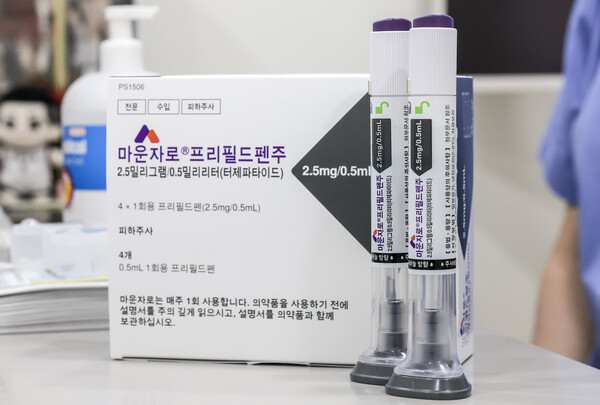
Safety matters more than price! How to choose a hospital safely
Mounjaro is not the definitive answer to weight loss. But it can be effective for people with obesity-related disease or difficulty controlling weight through lifestyle changes alone. What matters is an objective professional assessment of whether your body currently needs it.
Mounjaro works better with dietary control, exercise and fat-reduction procedures than alone. Particularly if reducing body and visceral fat is the goal, or persistent cellulite is a concern, one can also consider lipolysis injections that stimulate fat cells to support fat breakdown and lymphatic circulation.
Certain health conditions must be checked first. Gastritis, ulcers, reflux esophagitis or a history of pancreatitis require specialist assessment of suitability. Because Mounjaro also acts on blood glucose, doses may need adjustment alongside diabetes medicines. When choosing a hospital, carefully check for on-site clinicians experienced in obesity, basic testing such as InBody, adverse-reaction guidance and a follow-up monitoring system.
Obesity is a disease requiring long-term, precise management, not a short prescription. Starting hastily on the promise of dramatic effects can harm health. Weight loss should be seen as a marathon, not a sprint. Before comparing value for money, consider which choice your body truly needs now. Treatment must be provided “to the right person, in the right way.”