
Lifting Lasers
Why does Shin Bong-sun look noticeably different? A lifting laser fired by an “alien”?
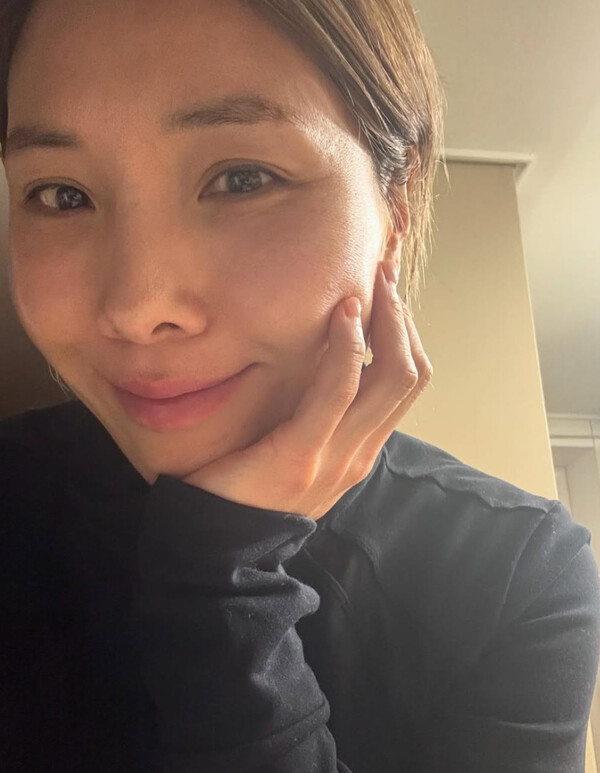
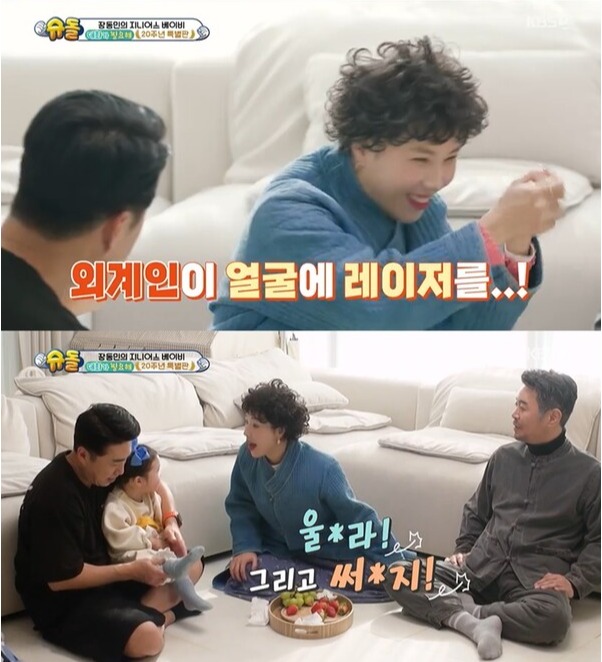
A photo comedian Shin Bong-sun recently posted on social media attracted attention. Her slimmer facial contours after losing 11 kg were striking, but her smooth, taut skin stood out most. Appearing on KBS2’s The Return of Superman, she was jokingly asked by comedian Kim Dae-hee whether she had gone under the knife. She quipped, ‘Aliens fired lifting lasers at my face. Their names are Ultherapy and Thermage.’ Asked whether it hurt, she candidly added, ‘It hurts. You have to endure it to become beautiful.’
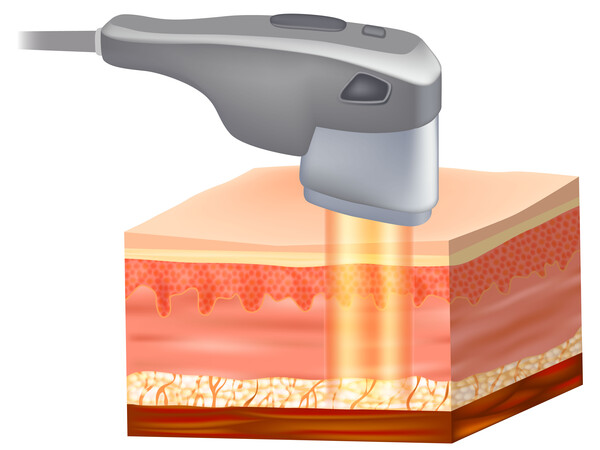
Ultherapy is a nonsurgical lifting procedure that precisely delivers high-intensity focused ultrasound, HIFU, to the deep superficial musculoaponeurotic system, or SMAS. This is the layer directly addressed in surgical facelifts and lies at a depth ordinary lasers cannot reach, approximately 4.5 mm. Focusing ultrasound there generates high heat, which contracts the fascia and firmly lifts facial contours. Visible improvements are particularly clear around the jawline and nasolabial folds, with the skin gradually appearing fuller and more refined over one to two months afterward.
Why does Ultherapy hurt?
As Shin Bong-sun said, Ultherapy is indeed known as a painful procedure. Ultrasound energy passes nerves as it penetrates deeply, producing strong pain. Applying anesthetic cream to the face actually does little to reduce it. Oral or injected pain medication, or inhalation anesthesia, can make treatment safe and comfortable. Unlike general anesthesia, this method is designed to be brief and safe, and satisfaction is high because it reduces anxiety and dulls pain. However, suitability for anesthesia and possible adverse effects must be checked in a prior consultation.
Pain is, in fact, difficult to avoid with Ultherapy. Before treatment, thoroughly discuss pain control, energy level, shot count and depth with the medical team. Settings should reflect skin condition and elasticity rather than simply being as strong as possible. Excessively frequent procedures or high-energy settings can destroy facial fat and accelerate aging, so caution is needed.
Reactions after Ultherapy are generally relatively mild. Redness, warmth and muscle soreness are common examples; bruising, reduced sensation or asymmetry may occur rarely. Most resolve naturally over time. Soothing care, hydration and sun protection are essential afterward. Avoid saunas, strenuous exercise and alcohol, and refrain from vigorous massage for several days. Everyday activities and makeup are possible from the following day.
How long does it last, and what can be combined with it?
Ultherapy lifts, but hollows can become more prominent unless overall facial volume is considered too. Maintenance is generally recommended once yearly, or at intervals as short as ten months, accounting for collagen regeneration and skin recovery. However, Ultherapy alone may be insufficient if elasticity is already markedly reduced or immediate results are desired. Combining it with Onda lifting, radiofrequency lifting or contour-supporting filler can offer more three-dimensional, natural results. Considering volume-supporting procedures such as Baby Collagen Injection is also effective. Baby Collagen directly injects collagen into the dermis, filling skin with elasticity from within and complementing Ultherapy’s lifting effect.
Where should you receive Ultherapy?
The same equipment does not guarantee the same Ultherapy results. Anatomical understanding, a skilled practitioner and individualized planning determine quality. Because the sensitive SMAS layer is targeted, accurately assessing facial structure and precisely controlling shot depth and angle are particularly important. A thorough advance consultation is essential, as is checking the clinic’s accumulated lifting experience and clinical data. Choose a clinic that carefully designs the entire process from consultation through recovery and considers pain management, rather than one that merely owns good equipment.
Ultherapy is not simply about removing wrinkles. It is a process of restoring sagging facial contours and reviving the strength of aging skin. What matters is recognizing the beginning of that decline and taking the opportunity for recovery while the skin can still respond.
▼ For further details, please visit the official Dr. Seolreim YouTube channel.